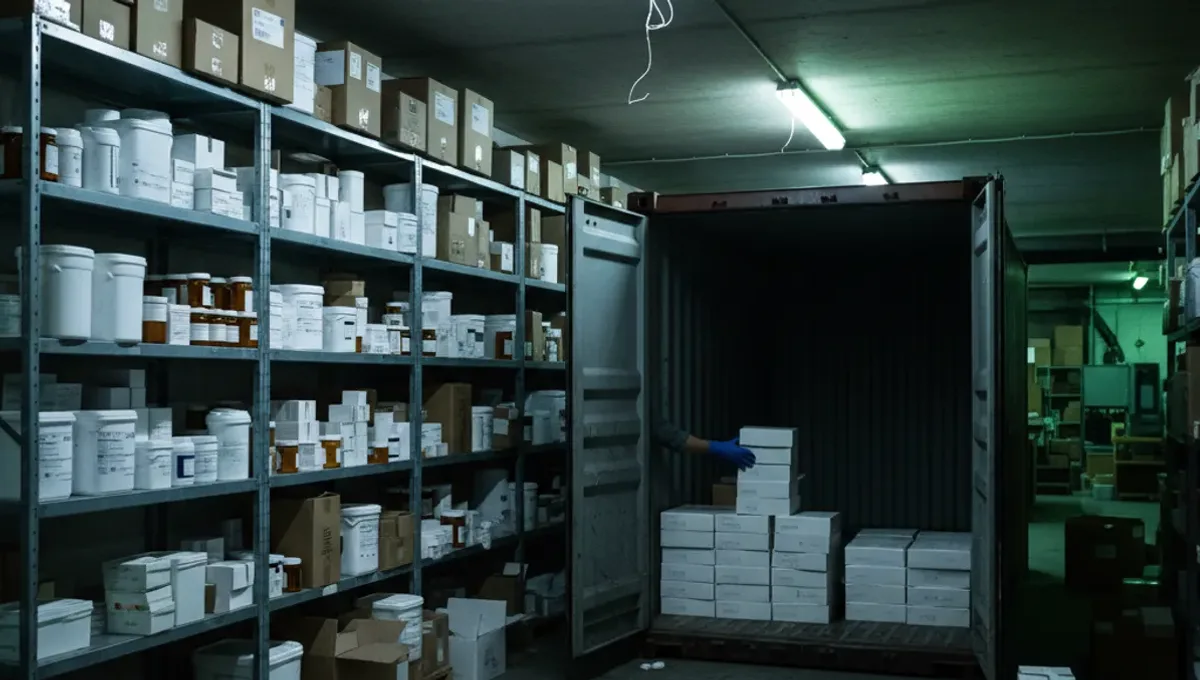
What Black Market Drugs Are and How They're Distributed
Black market illegal drugs are substances sold outside legal pharmaceutical and recreational channels, typically through informal networks or online platforms. Historically, these transactions occurred face-to-face or through trusted intermediaries. The emergence of encrypted messaging and darknet markets shifted the landscape dramatically, allowing vendors to reach buyers across borders without physical meetings. Distribution now spans street-level dealers, mail-based services, and marketplace platforms accessible only through the Tor browser. The supply chain often involves multiple intermediaries: producers, wholesalers, regional distributors, and street-level retailers. Each layer adds markup, which explains why black market prices for drugs vary so widely depending on geography, purity, and supply disruptions. Law enforcement agencies track these networks by monitoring financial flows, package interdiction, and vendor arrests, though the decentralized nature of darknet markets makes comprehensive enforcement difficult.
Pricing Dynamics in Underground Drug Markets
The price of black market drugs reflects supply scarcity, demand, purity, and risk premium. A substance available legally in one jurisdiction may command a high price in another where it is prohibited. Darknet marketplace listings show significant variation even for identical products, reflecting vendor reputation, shipping speed, and stealth packaging quality. Black market prices for drugs are also influenced by law enforcement pressure: when a major market is seized or a supply route disrupted, prices spike temporarily. Cryptocurrency adoption, particularly bitcoin drugs market activity, introduced new pricing dynamics because transactions are pseudonymous and irreversible. Vendors often price in USD or EUR and accept payment in Bitcoin or Monero, adding exchange-rate volatility to the final cost. Buyers comparing prices across multiple vendors and markets discover that reputation systems, escrow protections, and vendor history matter more than absolute price. A cheaper listing from an unknown vendor carries higher risk of scam, underdosed product, or law enforcement honeypot than a premium listing from an established seller.
Black Market Prescription Drugs and Pharmaceutical Diversion
Black market prescription drugs for sale represent a distinct category within underground markets. These include diverted legitimate pharmaceuticals stolen from supply chains, counterfeit pills manufactured to mimic branded medications, and prescription medications obtained through fraud or doctor shopping. Darknet marketplaces host dedicated sections for prescription opioids, benzodiazepines, stimulants, and other controlled substances. The appeal lies in avoiding medical gatekeeping, cost, or legal consequences. However, buyers face severe risks: counterfeit pills may contain fentanyl or other potent adulterants, diverted medications may be expired or contaminated, and purchasing prescription drugs without a prescription violates federal law in most jurisdictions. Law enforcement agencies prioritize pharmaceutical diversion cases because the supply often originates from licensed pharmacies or healthcare facilities, making it a white-collar crime vector. The FDA and DEA coordinate with state pharmacy boards to track suspicious orders and identify rogue pharmacies. Buyers who purchase black market prescription drugs expose themselves to both health risks and criminal liability.
How Darknet Markets Facilitate Black Market Drug Sales
Darknet marketplaces operate as e-commerce platforms accessible only through Tor, using cryptocurrency for payment and escrow systems to reduce fraud. A typical transaction flow involves: buyer creates an account, browses vendor listings with product descriptions and reviews, places an order with cryptocurrency, vendor ships the product, buyer confirms receipt, and escrow releases payment to the vendor. This structure mimics legitimate online retail but operates outside legal oversight. Vendors establish reputation through positive reviews and consistent delivery. Markets themselves charge commissions on sales and often require vendor bonds to reduce scams. The anonymity provided by Tor and cryptocurrency creates distance between buyer and seller, reducing accountability but also reducing law enforcement visibility. However, darknet markets are not immune to exit scams, where operators or vendors abscond with customer funds. Markets have been seized by law enforcement in coordinated operations, with servers located in data centers that could be accessed through legal process. The decentralized nature means new markets emerge after seizures, but each restart requires vendors and buyers to rebuild trust and reputation from zero.
Reality Layer: How the Ecosystem Actually Fails
Tor Project documentation emphasizes that Tor provides anonymity for the connection layer, not for the transaction itself or the identity of the person behind the screen. This means law enforcement can still identify buyers and sellers through blockchain analysis, package interdiction, and operational security mistakes. Court records from major darknet market prosecutions show that most vendors were identified through cryptocurrency tracing, metadata analysis, or informants, not through breaking Tor encryption. Security-vendor incident reports consistently document that the majority of scams on darknet markets are perpetrated by vendors themselves: they take payment and never ship, or ship inert substances. Buyers have no recourse because the market operator is the only arbiter and often profits from disputes. Academic research on onion services notes that market seizures create temporary supply disruptions but do not eliminate demand, leading to rapid market reconstitution. For ordinary users, this means that purchasing from darknet markets carries three distinct risks: law enforcement prosecution, financial loss to scammers, and health risks from unverified products. The anonymity layer protects the infrastructure but not the participants.
Law Enforcement and Market Seizures
Major darknet markets have been seized by law enforcement agencies including the FBI, DEA, and international partners. These operations typically involve identifying the server location, obtaining legal warrants, and executing coordinated takedowns. After seizure, law enforcement often maintains the market temporarily to collect evidence and identify users. Public press releases from these operations reveal that vendors are prosecuted under drug trafficking statutes, money laundering laws, and conspiracy charges. Buyers are typically prosecuted only if they are identified as major distributors rather than personal users, though this varies by jurisdiction. The legal consequences for black market drug transactions include federal felony charges, lengthy prison sentences, asset forfeiture, and permanent criminal records. Law enforcement agencies also use darknet market data to identify trafficking networks, money laundering operations, and organized crime connections. The seizure of a major market disrupts supply chains temporarily but does not eliminate the underlying demand or the technical capability to operate new markets. Vendors and buyers adapt by using new markets, encrypted communication channels, and more sophisticated operational security.
Risks and Misconceptions About Black Market Drug Purchases
A common misconception is that Tor and cryptocurrency provide complete anonymity for darknet transactions. In reality, law enforcement has developed sophisticated techniques for blockchain analysis, and operational security failures by users often reveal their identity. Another misconception is that darknet markets are safer than street-level dealers because of escrow and reputation systems. While these features reduce some fraud, they do not eliminate it, and buyers still face risks from counterfeit products, contaminated substances, and law enforcement. The belief that black market drugs are cheaper than legitimate alternatives is partially true for some substances but ignores the hidden costs: risk premium, scam losses, health consequences from impure products, and legal liability. Buyers often underestimate the risk of arrest because they assume their anonymity is perfect or because they believe law enforcement prioritizes other crimes. In reality, federal prosecutors have successfully prosecuted thousands of darknet market participants, and the conviction rate is high because the evidence is typically clear. The most significant risk is health: counterfeit pills and adulterated substances cause overdoses and deaths, and buyers have no way to verify product safety before consumption. Understanding these risks is essential for making informed decisions about personal security and legal exposure.
What You Can Do Today to Protect Yourself
If you are researching black market drugs for academic, journalistic, or security purposes, the first step is to distinguish between understanding the ecosystem and participating in it. Reading public law enforcement press releases, court documents, and security research provides factual information without legal exposure. If you are concerned about someone's substance use or addiction, contact a local harm reduction organization or medical provider rather than attempting to source substances yourself. If you have already purchased from darknet markets and are concerned about legal exposure, consult a criminal defense attorney in your jurisdiction immediately. If you are interested in privacy and security technology, focus on legitimate uses: protecting your communications, securing your devices, and understanding how anonymity tools work. The Tor Project website provides educational resources about how Tor functions and its legitimate uses. Finally, if you encounter a darknet market or vendor claiming to sell black market drugs, remember that many are scams or law enforcement operations. Verification is nearly impossible for ordinary users, and the risk of loss or prosecution is real.
Frequently asked
How do black market drugs get priced on darknet markets
Prices reflect supply scarcity, demand, product purity, and vendor reputation. Cryptocurrency volatility and exchange rates also affect final cost. Prices vary significantly between vendors and markets, with reputation and delivery speed influencing the premium charged. Buyers comparing listings must weigh lower prices against vendor history and risk of scam.
What is the difference between black market illegal drugs and prescription drugs sold illegally
Black market illegal drugs include substances with no legal use or recreational use in prohibited jurisdictions. Black market prescription drugs are diverted from legitimate supply chains, counterfeited, or obtained through fraud. Both carry legal and health risks, but prescription drug diversion often originates from pharmacy theft or doctor shopping schemes.
Can law enforcement trace bitcoin transactions on darknet drug markets
Yes. Law enforcement agencies use blockchain analysis to trace bitcoin transactions, identify wallet addresses, and connect them to real identities through exchange records and other metadata. Monero offers stronger privacy properties, but most darknet markets still accept bitcoin. Operational security failures by users often reveal their identity regardless of cryptocurrency type.
What happens if you get caught buying drugs on the dark web
Consequences depend on jurisdiction, quantity, and prior record. Federal prosecutors typically charge buyers as drug users rather than traffickers unless quantities suggest distribution intent. Convictions result in felony records, prison time, fines, and asset forfeiture. Consult a criminal defense attorney immediately if you believe you are under investigation.
Are darknet market escrow systems reliable for drug purchases
Escrow reduces some fraud but does not eliminate it. Vendors still conduct exit scams, ship inert substances, or collude with market operators. Buyers have no legal recourse and cannot verify product safety before consumption. The escrow system protects the market operator's reputation more than the buyer's interests.