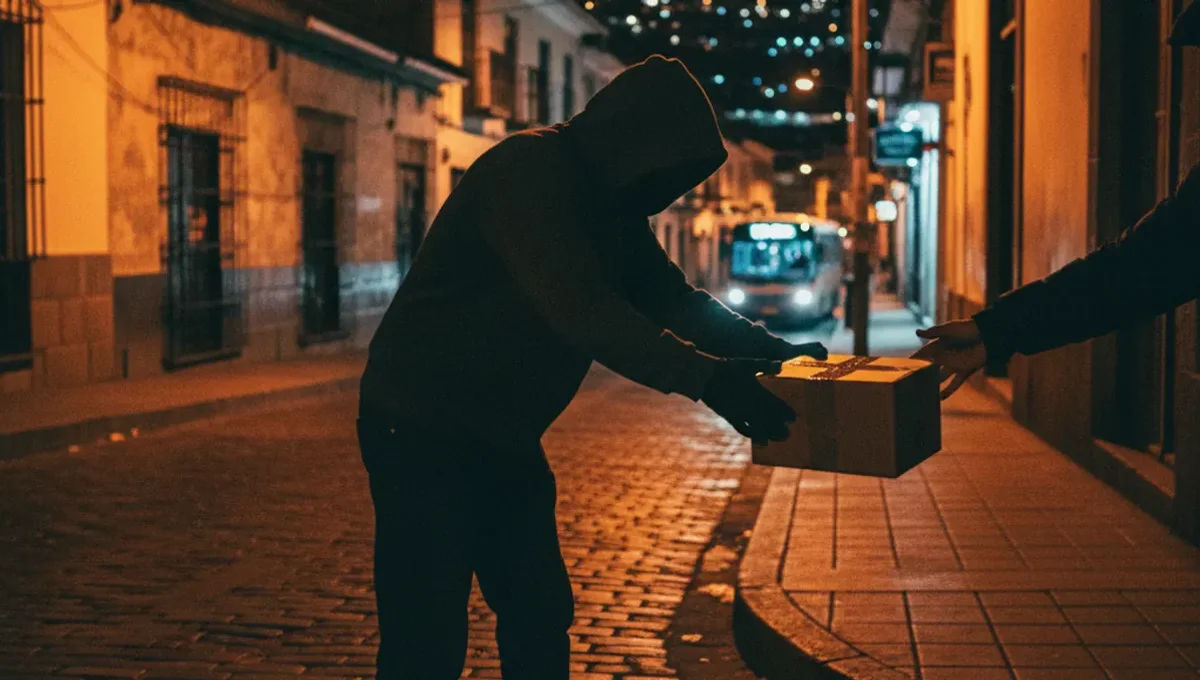
What Are Dark Markets in Bolivia
Dark markets operating from or targeting Bolivia are hidden online marketplaces accessible only through Tor and similar anonymity networks. These platforms facilitate the sale of controlled substances, stolen data, forged documents and other illegal goods. Bolivia's role differs from dark markets Albania or dark markets Austria, which serve primarily European demand; Bolivian markets often cater to South American trafficking networks and money laundering operations. The markets themselves are typically hosted on servers outside Bolivia, but vendors and buyers may be based there. Cryptocurrency, particularly Monero, is the standard payment method because it offers greater privacy than Bitcoin. Law enforcement in Bolivia has limited resources to monitor these operations, making the country attractive to criminal operators seeking reduced detection risk.
How Bolivian Darknet Markets Operate
Most dark markets in Bolivia function as vendor-to-buyer platforms similar to conventional marketplaces, but with built-in escrow systems and encrypted messaging. A user creates an account using a pseudonym, deposits cryptocurrency, browses vendor listings and completes transactions. The marketplace holds the buyer's funds until the buyer confirms receipt, then releases payment to the vendor minus a commission. Vendors establish reputation through customer reviews, creating an incentive to deliver as promised. However, unlike legitimate platforms, there is no dispute resolution authority or legal recourse if a transaction fails. Exit scams occur when marketplace administrators abruptly shut down and steal all held funds. Phishing clones, which are fake versions of popular markets designed to steal login credentials, are common in the Bolivian and broader Latin American darknet scene. Buyers often lose money to both scams and law enforcement seizures of shipments.
Regional Context: Bolivia Among Other Dark Markets
Bolivia's darknet market ecosystem sits within a larger South American criminal infrastructure. Dark markets Argentina and dark markets Colombia are more established and larger by transaction volume, but Bolivia serves as a key supply and transit hub. Dark markets Andorra and dark markets Austria, by contrast, operate in different regulatory and geographic contexts, primarily serving European users. What distinguishes Bolivia is its role as both a source region for cocaine and precursor chemicals and a location where money laundering occurs through cryptocurrency exchanges. The Bolivian government has made efforts to regulate cryptocurrency and combat money laundering, but enforcement remains inconsistent. Vendors in Bolivia often operate across multiple markets simultaneously, using the same pseudonyms or different identities depending on the platform. This fragmentation makes it harder for law enforcement to track individuals but also increases the risk of credential theft and account takeovers.
Reality Layer: How These Markets Actually Fail
According to Tor Project documentation on onion service security, darknet markets are vulnerable to both technical compromise and law enforcement infiltration. Most major markets that have been seized were not taken down through Tor vulnerabilities but through operational security failures by administrators or vendor arrests that led to server seizures. In Bolivia specifically, several markets have been shut down after vendors were arrested and their devices seized by authorities, revealing the marketplace infrastructure. A second risk is that many users believe Tor provides complete anonymity, when in fact cryptocurrency transactions can be traced through blockchain analysis and correlated with personal information if users reuse addresses or make withdrawals to regulated exchanges. Third, phishing attacks targeting darknet users are extremely common; a user may click what they believe is a legitimate market link but actually land on a clone that steals their credentials. Fourth, many Bolivian vendors are themselves victims of theft by other criminals, who steal their inventory or cryptocurrency and disappear. This means even if a buyer receives goods, the vendor may have obtained them through robbery, creating additional legal exposure for the buyer.
Why Users Are Drawn to These Markets
People access dark markets in Bolivia for several reasons. Some are seeking goods that are illegal or heavily restricted in their own countries, such as certain medications or substances. Others are motivated by curiosity about how anonymity networks work. A smaller group are vendors or money launderers using these platforms as part of criminal enterprise. For ordinary users, the appeal often stems from a misunderstanding of what Tor actually protects; many believe it makes them invisible, when it only hides their IP address from the website itself. Law enforcement agencies, including those in Bolivia, actively monitor these markets by creating vendor accounts, purchasing samples and tracking shipments. This means that even a first-time buyer faces real criminal liability. The markets also attract scammers who have no intention of delivering goods, relying on the fact that buyers cannot report them to police without incriminating themselves.
Risks of Engaging With Bolivian Dark Markets
Participating in dark markets in Bolivia or elsewhere carries multiple overlapping risks. Legal exposure is the most obvious: purchasing controlled substances or stolen goods is a crime in Bolivia and in the buyer's home country, and law enforcement agencies cooperate across borders. Financial loss through scams is nearly as common; estimates from security vendors suggest that a significant percentage of darknet transactions result in either non-delivery or the buyer receiving counterfeit or contaminated goods. Personal security risks include blackmail, where a scammer obtains a buyer's real identity and threatens to expose their activity to family or employers unless paid. Malware is another vector; some vendors distribute trojans or spyware alongside their listed products, compromising the buyer's device and potentially stealing cryptocurrency wallets or personal files. Finally, there is the risk of becoming a target for theft by other criminals who monitor the market and identify buyers with large balances or frequent transactions. Users who believe they have been scammed often have no recourse and cannot report the incident without admitting to illegal activity.
How to Verify Information and Protect Yourself
If you are researching dark markets in Bolivia for security awareness or academic purposes, rely on official sources rather than marketplace forums or unverified claims. The Tor Project website provides technical documentation on how onion services work and their actual security properties. Law enforcement press releases and court records offer factual information about market seizures and arrests. Academic research on darknet markets, published in peer-reviewed journals, provides statistical analysis without promoting illegal activity. When evaluating claims about a specific market, look for PGP-signed announcements from the alleged operators; phishing clones typically cannot reproduce the operator's cryptographic signature. If you encounter a .onion address online, do not visit it directly; instead, check the Useful Resources page of this site for verified links and information. Never assume that a market is legitimate simply because it has been operating for a long time; many long-running markets are exit scams in progress. If you are concerned that your personal information has been compromised in a market breach, consider using a credit monitoring service and reviewing your financial accounts for unauthorized activity.
Moving Forward: What You Can Do Today
Understanding dark markets in Bolivia is not about learning how to use them; it is about recognizing the real harms they cause and the genuine risks they pose. If you are curious about darknet technology itself, there are legitimate ways to learn: read the Tor Project's technical documentation, explore academic papers on anonymity networks and participate in security-focused communities that discuss these topics without promoting illegal activity. If you suspect that you or someone you know has been victimized by a scam involving a dark market, contact your local law enforcement agency and provide as much detail as you can without admitting to illegal purchases. If you work in cybersecurity or law enforcement, familiarize yourself with how these markets operate so you can better detect and prevent related crimes. For everyone else, the takeaway is straightforward: these markets are not safer, cheaper or more anonymous than they appear, and the consequences of engagement extend far beyond the transaction itself. Start by reviewing the Useful Resources page of this site to understand how Tor actually works and what it does and does not protect.
Frequently asked
Are there active dark markets in Bolivia right now
The status of specific markets changes constantly due to law enforcement seizures, exit scams and voluntary closures. Rather than naming individual platforms, understand that Bolivian darknet activity persists as part of broader regional criminal networks. To verify whether a particular market is operational, check PGP-signed announcements from alleged operators and consult the Useful Resources page of this site for verified information sources.
How do dark markets in Bolivia differ from markets in other countries
Bolivia's role is primarily as a supply and transit hub for cocaine and precursor chemicals, whereas markets in dark markets Austria or dark markets Andorra serve primarily European demand for other goods. Bolivian markets also function as money laundering channels for regional trafficking networks. The technical operation is similar across all darknet markets, but the vendor base, customer demographics and law enforcement attention differ significantly by region.
Can I be traced if I use Tor to access a dark market in Bolivia
Tor hides your IP address from the website, but it does not make you completely anonymous. Law enforcement can trace cryptocurrency transactions through blockchain analysis, correlate your activity across multiple sites and identify you through operational security mistakes like reusing usernames or withdrawing to regulated exchanges. Many users have been arrested despite believing Tor made them invisible.
What should I do if I think I was scammed by a dark market vendor
Contact your local law enforcement agency and provide as much detail as you can. Be aware that admitting to purchasing illegal goods may result in charges against you, so consult a lawyer before speaking to authorities. If the scam involved cryptocurrency, you may also report it to your exchange or payment processor, though recovery is unlikely.
Why do people in Bolivia use dark markets instead of regular shops
Vendors use these markets to sell goods that are illegal or heavily restricted, and buyers use them to purchase such goods while believing they are anonymous. However, the anonymity is incomplete and the legal and financial risks are substantial. Many users are motivated by curiosity or misinformation about how Tor works rather than by genuine need.