What Was Wall Street Market
Wall Street Market was a darknet marketplace that operated on the Tor network, primarily facilitating the sale of illegal goods and services. It launched around 2016 and grew to become one of the largest markets by transaction volume, competing with other major platforms of that era. The marketplace used a multi-signature escrow system intended to protect both buyers and vendors, though this mechanism did not prevent eventual compromise. Wall Street Market attracted users through a professional interface and reputation system, which made it appear more trustworthy than many competitors. By 2019, it was handling thousands of listings and millions of dollars in transactions across multiple product categories.
How the Marketplace Operated
Wall Street Market functioned as a centralized platform where vendors listed products, buyers placed orders, and the marketplace held funds in escrow until transactions completed. Users created accounts with usernames and passwords, built reputation scores based on transaction history, and communicated through the platform's messaging system. The market charged vendor fees and transaction commissions, generating revenue that funded server infrastructure and administrative staff. Vendors could specialize in specific product categories, and the marketplace displayed feedback ratings to help buyers assess reliability. Like most darknet markets, Wall Street Market required users to access it through Tor and often demanded PGP-encrypted communications for sensitive transactions, though enforcement of these practices varied.
The Seizure and Shutdown
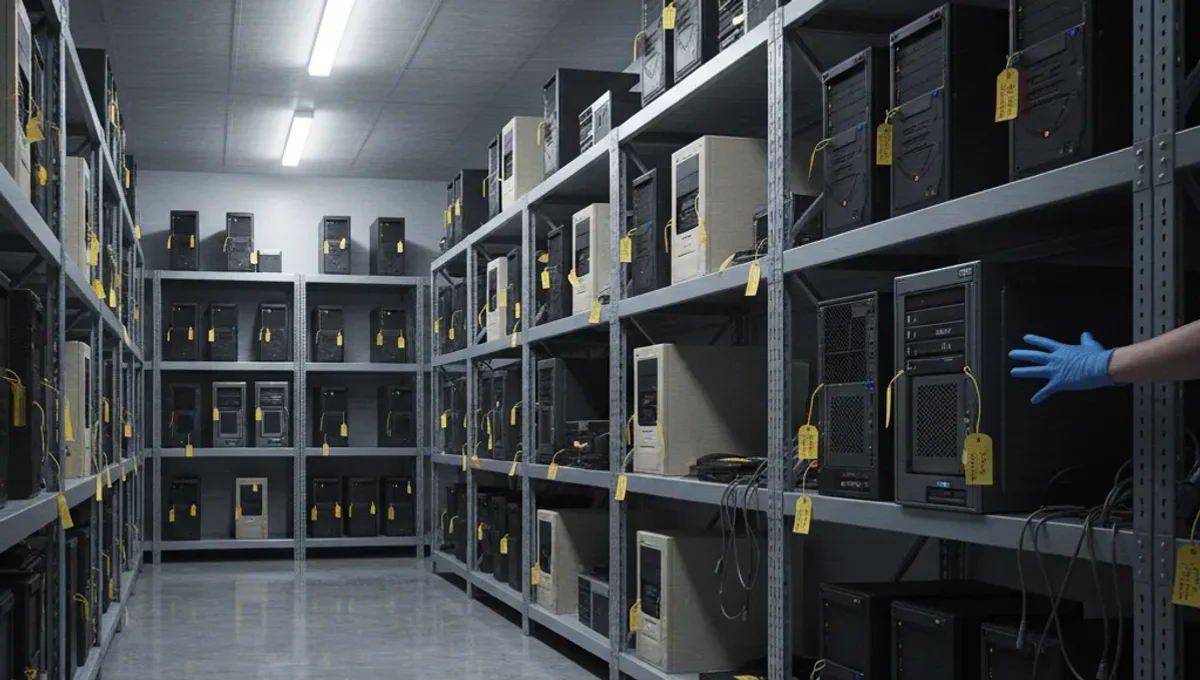
In June 2019, law enforcement agencies from multiple countries, including the U.S. Department of Justice and German authorities, executed a coordinated operation that resulted in the seizure of Wall Street Market's infrastructure. The shutdown followed months of investigation into the marketplace's operations and the criminal activity it facilitated. Administrators and moderators were arrested, and the marketplace's servers were taken offline. However, the seizure was not immediately obvious to all users; some continued attempting to access the market for days before realizing it had been shut down. The operation demonstrated that even markets with sophisticated technical defenses could be compromised through traditional law enforcement investigation, server location identification, and international cooperation.
Why Users Trusted Wall Street Market
Wall Street Market built trust through several mechanisms that were common among darknet marketplaces at the time. The platform displayed vendor ratings, transaction histories, and user reviews, creating a reputation economy similar to legitimate e-commerce sites. Administrators maintained a public presence on forums and Reddit, responding to user concerns and publishing updates about security improvements. The multi-signature escrow system suggested technical sophistication and reduced the risk of administrators absconding with funds. Many users also trusted it simply because it had operated for several years without a major exit scam, which was relatively rare in the darknet ecosystem. This trust, however, did not account for the possibility of law enforcement infiltration or the seizure of centralized infrastructure.
Clones, Phishing and Impersonation
After Wall Street Market's seizure, scammers created fake versions and phishing sites claiming to be the real marketplace or its successor. These clones mimicked the original interface and used similar naming conventions to deceive users searching for the market on Reddit or through Tor directories. Some phishing sites promised to restore user accounts or return seized funds, a social engineering tactic that exploited users' frustration and financial loss. Verifying the authenticity of any darknet marketplace address requires checking PGP-signed announcements from official administrators, a step many casual users skip. The proliferation of Wall Street Market clones illustrated how the reputation and user base of a seized market can be weaponized by fraudsters, even after the original platform is gone.
Reality Layer: What This Reveals About Darknet Markets
Several structural vulnerabilities became apparent from the Wall Street Market case. First, centralized marketplaces with fixed server locations are vulnerable to law enforcement identification and seizure, regardless of Tor encryption or technical sophistication. According to public law enforcement press releases, investigators traced the marketplace's infrastructure through payment processors, hosting providers, and domain registrations. Second, user data stored on marketplace servers can be accessed by authorities after seizure, exposing buyer and vendor identities, transaction histories, and communications. Third, the reputation and escrow systems that make markets trustworthy also create a single point of failure; when the central authority is compromised, all user funds and data are at risk. Understanding these vulnerabilities helps ordinary users recognize that no darknet marketplace offers the security or permanence that legitimate financial institutions provide, and that participation carries legal and financial risk regardless of marketplace reputation.
What Happened to Wall Street Market Users
Users who had funds held in Wall Street Market's escrow at the time of seizure lost access to those funds. Law enforcement did not return cryptocurrency to users, as doing so would require identifying and compensating victims of illegal transactions, which is legally and practically complex. Some users attempted to recover funds through civil litigation or by contacting law enforcement, but recovery was rare. Vendors who had built reputation and inventory on the platform lost their business infrastructure overnight. Buyers who had pending orders received no refunds or resolution. This outcome reinforced a core lesson of darknet market participation: centralized platforms can disappear at any moment, and users have no legal recourse or consumer protection. The loss of Wall Street Market pushed some users toward decentralized alternatives, though these platforms typically offer less user protection and higher scam rates.
Lessons for Understanding Darknet Security
The Wall Street Market case demonstrates that technical sophistication, user reputation systems, and years of operation do not guarantee marketplace survival or security. Law enforcement agencies have developed expertise in identifying and infiltrating darknet infrastructure, and international cooperation has become standard practice. Users searching for information about the wall street darknet market or the wall street market darknet link on Reddit often encounter outdated references and misinformation. Verifying current marketplace status requires checking recent forum posts, PGP-signed announcements, and security research from reputable sources, not assumptions based on historical reputation. The broader lesson is that participation in any darknet marketplace carries inherent legal risk, financial risk from scams and seizures, and privacy risk from law enforcement investigation or data breaches. Understanding this context is essential for anyone considering darknet activity or simply researching how these ecosystems function.
Frequently asked
Is Wall Street Market still online
No. Wall Street Market was seized by law enforcement in June 2019 and has not returned. Any site claiming to be Wall Street Market or offering to restore accounts is a phishing scam or clone. The original marketplace's infrastructure was taken offline by authorities, and the administrators were arrested.
What happened to my funds on Wall Street Market
If you had cryptocurrency held in escrow when the marketplace was seized, those funds were not returned to users. Law enforcement took control of the marketplace's wallets, and recovery through legal channels is extremely difficult. Most users lost their funds permanently.
How did law enforcement find Wall Street Market
Investigators traced the marketplace's infrastructure through payment processors, hosting providers, and domain registrations. International cooperation between U.S. and German authorities enabled them to identify server locations and take the platform offline. The case demonstrated that Tor encryption does not protect against traditional law enforcement investigation of centralized infrastructure.
Are there clones of Wall Street Market I should avoid
Yes. Scammers have created fake sites using the Wall Street Market name and interface to deceive users. Any site claiming to be Wall Street Market or offering account recovery is fraudulent. Verify marketplace authenticity only through PGP-signed announcements from official administrators, never through search results or social media.
What can I learn from Wall Street Market's closure
The case illustrates that centralized darknet markets are vulnerable to law enforcement seizure regardless of technical sophistication or user reputation. It shows that user funds and data stored on marketplace servers can be accessed by authorities. It demonstrates that no darknet marketplace offers the security or legal protection of legitimate financial institutions.