What Was Hydra Market and When Did It Operate
Hydra Market was a Russian-language darknet marketplace that operated on the Tor network from approximately 2015 until its seizure in April 2022. It became the dominant marketplace in the Russian-speaking dark web ecosystem, handling transactions in Russian rubles and cryptocurrency. The marketplace was known for its focus on drug trafficking, stolen data, forged documents, and hacking services, with a user base concentrated in Russia, Ukraine, and other post-Soviet countries.
The platform operated using a multi-signature escrow system and maintained a reputation-based vendor system similar to other darknet markets. Hydra's operators invested heavily in operational security and cultivated relationships with Russian-speaking users through forums and chat channels. The marketplace's longevity and scale made it a target for international law enforcement, particularly after it became clear that Hydra was facilitating billions of dollars in transactions annually.
How Hydra Market Operated and Why Users Trusted It
Hydra Market functioned as a decentralized marketplace where vendors could list products and services, with the platform taking a percentage of each transaction. The marketplace used a wallet-based system where users deposited cryptocurrency, made purchases, and withdrew funds. Escrow protection meant that funds were held by the marketplace until the buyer confirmed receipt of goods, theoretically protecting both parties from fraud.
Users trusted Hydra because it maintained consistent uptime, processed transactions reliably, and had established vendor vetting mechanisms. The marketplace also offered customer support and dispute resolution, features that distinguished it from less organized competitors. However, this trust was built on the assumption that the operators themselves were not stealing from users or cooperating with law enforcement. The marketplace's Russian-language focus and regional specialization created a sense of community among users, which reinforced loyalty despite the obvious legal risks.
The April 2022 Seizure and Law Enforcement Action
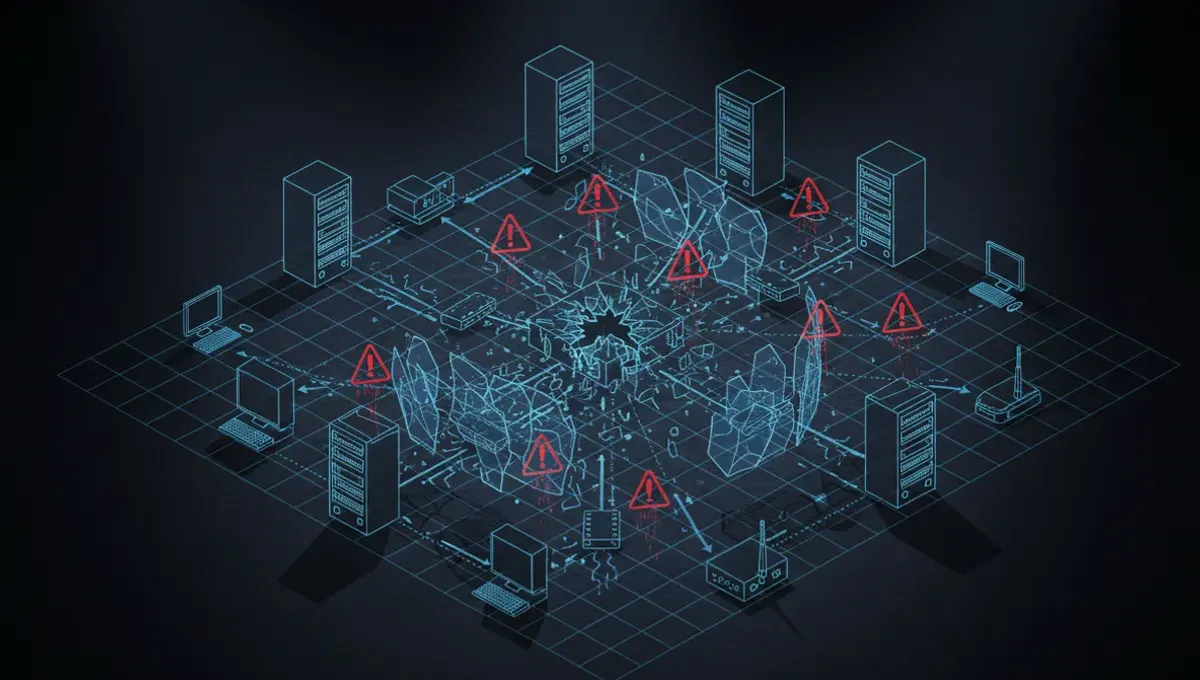
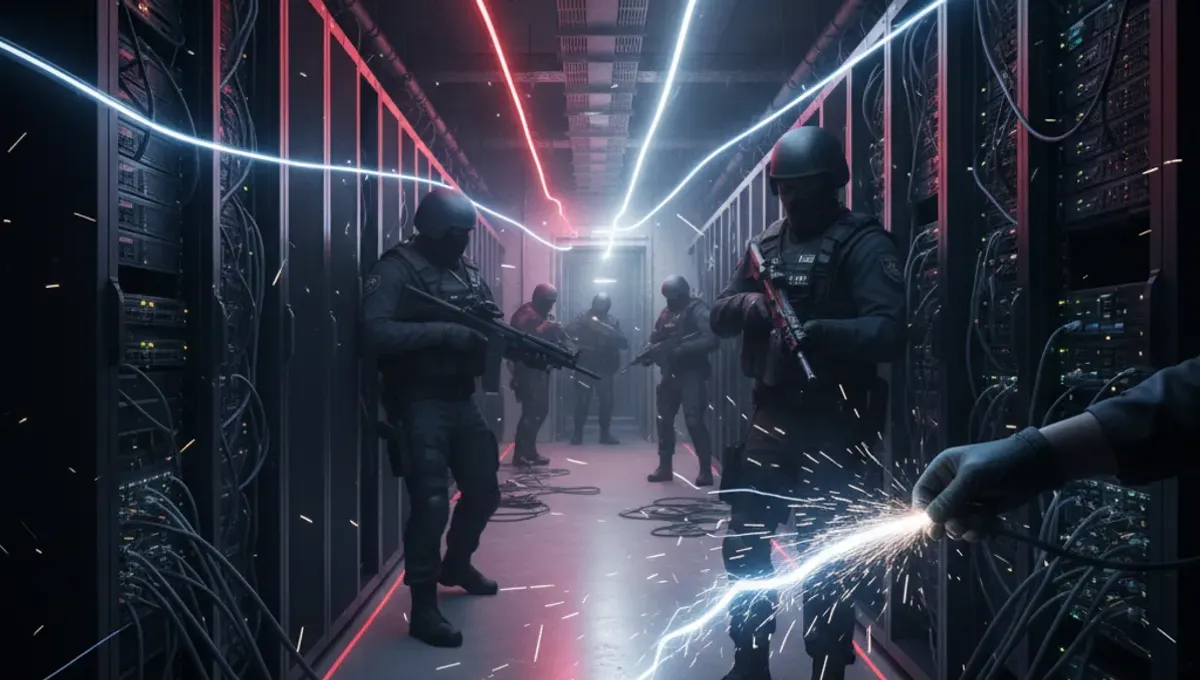
In April 2022, the U.S. Department of Justice and international law enforcement partners announced the seizure of Hydra Market's infrastructure and the arrest of its alleged operator, Dmitry Pavlov, a Russian national. The seizure followed a coordinated investigation involving the FBI, DEA, HSI, and law enforcement agencies from multiple countries. Authorities seized approximately 25 million dollars in cryptocurrency associated with the marketplace and took control of its servers.
The operation marked a significant escalation in law enforcement's ability to target darknet infrastructure, particularly marketplaces operating outside U.S. borders. The seizure demonstrated that even large, well-established marketplaces with sophisticated security practices could be compromised through a combination of technical investigation, financial tracking, and international cooperation. The takedown was widely publicized as a warning to other marketplace operators and users about the risks of participating in illegal commerce on the dark web.
Phishing Clones and Fake Hydra URLs
After Hydra's seizure, scammers immediately created phishing clones claiming to be the real marketplace or its successor. These fake sites mimicked Hydra's interface and branding to trick users into depositing cryptocurrency or entering login credentials. The clones typically operated on temporary infrastructure and disappeared after collecting funds, leaving victims with no recourse.
Phishing clones exploit the emotional attachment users had to Hydra and the assumption that the marketplace might return under a new address. Scammers also created fake announcements claiming that Hydra had moved to a new URL or was operating under a new name. Any URL claiming to be Hydra Market should be treated as a scam. Legitimate marketplace operators, when they do return or migrate, use PGP-signed announcements on established forums and communicate through verified channels, never through random links or social media posts.
Why Hydra Matters for Understanding Darknet Security
Hydra's history illustrates how even the largest and most established darknet marketplaces are vulnerable to law enforcement action. The marketplace's seizure showed that operational security, cryptocurrency mixing, and Tor anonymity alone do not protect marketplace operators from investigation and prosecution. Authorities used a combination of financial forensics, server compromise, and international cooperation to dismantle the platform.
For ordinary users, Hydra's story demonstrates the risks of trusting any centralized marketplace on the dark web. Marketplaces can be seized, operators can be arrested, and user funds can be lost or frozen. The proliferation of phishing clones after Hydra's seizure also highlights how scammers exploit marketplace shutdowns to steal from desperate users looking for alternatives. Understanding this pattern helps you recognize similar scams targeting users of other marketplaces like AlphaBay, Archetyp, or any emerging platform.
Reality Check: Law Enforcement Capabilities and Marketplace Vulnerabilities
According to public law enforcement press releases and court records, darknet marketplaces are vulnerable to compromise through multiple vectors: server seizure, operator identification through financial tracking, and cooperation from hosting providers or upstream network operators. The Tor Project's own documentation acknowledges that Tor protects against network-level surveillance but does not protect against operational security failures by marketplace operators or users.
Security-vendor incident reports on darknet marketplace takedowns consistently show that operators often make mistakes in operational security, such as reusing identifiers across platforms, maintaining inadequate server security, or failing to properly anonymize cryptocurrency transactions. This matters because it means that marketplace operators face genuine risks of arrest and prosecution, making any marketplace inherently unstable as a long-term service. Users who deposit significant funds into any marketplace are accepting the risk that the platform could be seized at any time, whether through law enforcement action or exit scam by the operators themselves.
Safer Alternatives to Searching for Marketplace URLs
If you are researching darknet marketplaces for security awareness or academic purposes, avoid searching for active marketplace URLs or links. Instead, consult the Useful Resources page on this site, which provides verified information about darknet security, Tor browser setup, and how to identify phishing attempts.
For legitimate purposes such as security research or journalism, access archived information through public sources like court documents, law enforcement announcements, and academic publications. These sources provide factual information about how marketplaces operated without exposing you to phishing clones or active scams. If you have been targeted by a phishing clone or have lost funds to a marketplace scam, report it to your local law enforcement agency and consider contacting the FBI's Internet Crime Complaint Center. Verify any marketplace address through PGP-signed announcements from established forums, never through random links or social media.
Frequently asked
Is Hydra Market still online
No. Hydra Market was seized by law enforcement in April 2022. Any URL claiming to be Hydra is a phishing scam designed to steal your funds or credentials. The marketplace does not operate under a new address or successor brand.
What happened to Hydra Market users and their funds
When Hydra was seized, user funds held in the marketplace's escrow system were frozen by law enforcement. Users with balances in their accounts lost access to those funds. Some users may have withdrawn funds before the seizure, but those who had active balances when the marketplace went offline had no way to recover them.
How do I know if a Hydra URL is real or a phishing clone
Any Hydra URL you find is a phishing clone. The real marketplace no longer exists. Phishing clones mimic the original interface to trick you into depositing cryptocurrency or entering credentials. Legitimate marketplace operators use PGP-signed announcements on established forums, never random links or social media posts.
Why was Hydra Market shut down
Hydra was seized by the U.S. Department of Justice and international law enforcement partners in April 2022 after a coordinated investigation. The operator, Dmitry Pavlov, was arrested. Law enforcement used financial forensics, server compromise, and international cooperation to dismantle the platform.
How does Hydra's seizure compare to other darknet market takedowns
Hydra's seizure followed the pattern of other major marketplace takedowns like AlphaBay and White House Market. Law enforcement has demonstrated the ability to compromise even large, well-established marketplaces through a combination of technical investigation and international cooperation. No darknet marketplace is immune to seizure or operator arrest.