What Monero Is and How It Differs from Bitcoin
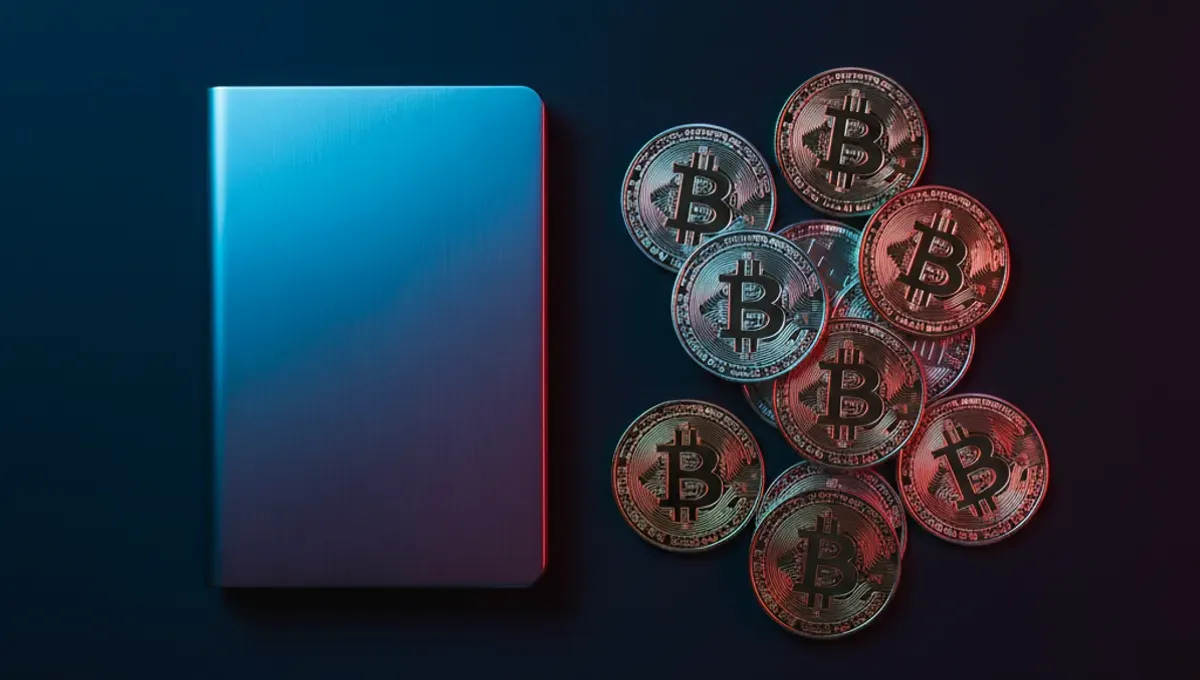
Bitcoin transactions are pseudonymous but traceable. Every transaction is recorded on a public ledger, and with enough data, law enforcement and blockchain analysis firms can link wallet addresses to real identities. Monero uses three privacy mechanisms: ring signatures (which mix your transaction with others), stealth addresses (which hide the recipient), and RingCT (which obscures the transaction amount). These features are enabled by default, not optional. When you send Monero, the blockchain does not reveal who sent it, who received it, or how much was transferred. This fundamental difference made Monero attractive to users of best darknet markets and top darknet markets who wanted to avoid the forensic trail that Bitcoin left behind.
The Shift from Bitcoin to Monero on Darknet Marketplaces
Early darknet markets like Silk Road used Bitcoin exclusively. As blockchain analysis became more sophisticated and law enforcement seized Bitcoin wallets tied to marketplace transactions, vendors and buyers began seeking alternatives. Monero's privacy features made it the logical choice. By the mid-2010s, major current darknet markets began accepting Monero alongside or instead of Bitcoin. Some markets offered automatic conversion from Bitcoin to Monero at checkout to shield transaction details. This adoption was not universal or immediate; many markets resisted because Monero had lower liquidity and smaller user bases than Bitcoin. However, as regulatory pressure on Bitcoin increased and exchange delisting became common, active darknet markets gradually made Monero mandatory or the default option. The shift reflected a practical response to surveillance, not ideology.
How Marketplace Operators Used Monero for Operational Security
Marketplace administrators faced a specific problem: they needed to collect fees and move funds without exposing their wallets to analysis. Bitcoin's transparent ledger meant that large, repeated transfers to a single address could be flagged and investigated. Monero solved this by making the flow of funds invisible. Operators could consolidate payments, move funds between wallets, and withdraw to exchanges without leaving a traceable chain. Some top darknet markets implemented Monero-only escrow systems, where all transactions were denominated in Monero from deposit to withdrawal. This reduced the operational security burden and made it harder for law enforcement to identify marketplace infrastructure. However, Monero adoption did not make markets invulnerable; law enforcement has still seized markets and arrested operators by combining network analysis, undercover purchases, and traditional investigation methods.
Reality Layer: What Blockchain Analysis and Law Enforcement Know
Monero's privacy is strong in theory but incomplete in practice. According to Tor Project documentation and academic research on onion services, the weakest link in any darknet transaction is not the cryptocurrency but the user's behavior and the marketplace's infrastructure. If a vendor withdraws Monero to a regulated exchange and provides identity verification, law enforcement can identify them. If a buyer uses the same Monero address repeatedly or links it to their real identity through careless operational security, they become traceable. Law enforcement agencies have publicly stated that they treat Monero transactions as a red flag for further investigation, not as an unsolvable problem. This matters because it shows that privacy coins are one layer of protection, not a complete shield. Additionally, some blockchain analysis firms claim to have developed heuristics to cluster Monero transactions, though the accuracy and reliability of these methods remain disputed and are not publicly documented.
Risks and Misconceptions About Monero on Darknet Markets
A common misconception is that Monero makes you completely anonymous. It does not. Monero hides the transaction details on the blockchain, but it does not hide your IP address, your device fingerprint, or your behavior patterns. A user who buys from a darknet market using Monero over an unencrypted connection, or who logs into the marketplace from the same device and location repeatedly, can still be identified through traffic analysis or traditional investigation. Another misconception is that all darknet markets accept Monero equally. Some markets accept it but still require Bitcoin for certain transactions or offer worse exchange rates for Monero. Scams involving fake Monero addresses or counterfeit Monero wallets are common on darknet forums. A third risk is regulatory backlash; exchanges in many jurisdictions have delisted Monero or restricted trading in response to government pressure, making it harder to convert Monero to fiat currency without exposure.
How to Verify Monero Addresses and Avoid Phishing Clones
Phishing is a major threat on darknet markets that accept Monero. Attackers create fake marketplace mirrors or send fraudulent deposit addresses to users. Monero addresses are long strings of characters, and a single typo means your funds go to the attacker's wallet. To verify a legitimate Monero address, follow these steps: First, access the marketplace only through the official onion address listed on the site's PGP-signed announcement or the Useful Resources page of this site. Second, do not copy and paste addresses from chat messages, emails, or forum posts; type them manually or use the marketplace's built-in address generation. Third, use a small test transaction before sending a large amount. Fourth, check the address format; Monero addresses always start with 4 or 8 and are 95 characters long. Fifth, if the marketplace offers address verification, use it. Some markets display a portion of the address you generated so you can confirm it matches what the system shows.
The Broader Ecosystem: Monero, Regulation, and Future Darknet Markets
Monero's role on darknet markets is part of a larger cat-and-mouse game between privacy advocates, cryptocurrency developers, law enforcement, and regulators. Several countries have considered or implemented restrictions on Monero trading or use. Some exchanges have delisted it to comply with regulations. At the same time, developers continue to improve Monero's privacy features and scalability. This tension means that the cryptocurrency landscape on darknet markets will likely continue to shift. Some markets may move to other privacy coins, layer-two solutions on Bitcoin, or entirely new protocols. Others may abandon cryptocurrency altogether in favor of alternative payment methods. Understanding Monero's current role on active darknet markets is useful for security awareness, but it is not a prediction of the future. The key takeaway is that privacy coins exist because users demand privacy, and that demand will persist regardless of which specific coin is popular at any given time.
What You Should Do Now
If you are researching darknet markets for security awareness or academic purposes, focus on understanding the operational security trade-offs that users face, not on finding ways to use these markets yourself. If you are concerned about your own financial privacy, research legitimate privacy tools like VPNs, encrypted messaging, and privacy-respecting financial services. If you have been a victim of fraud or theft on a darknet market, report it to your local law enforcement and consider consulting a cybersecurity professional. If you work in law enforcement, compliance, or security research, stay informed about how privacy coins are used and misused, but rely on technical experts and legal counsel for investigation strategies. The most practical step you can take today is to review the Useful Resources page of this site for links to official Tor Project documentation, PGP verification guides, and security research on cryptocurrency and anonymity.
Frequently asked
Why did darknet markets switch from Bitcoin to Monero
Bitcoin transactions are recorded on a public ledger and can be traced by law enforcement and blockchain analysis firms. Monero hides the sender, receiver, and amount by default, making it much harder to follow the money. As regulatory pressure on Bitcoin increased and exchanges began delisting it, darknet market operators and users migrated to Monero for operational security and to reduce their exposure to forensic investigation.
Is Monero completely anonymous on darknet markets
Monero provides strong privacy at the blockchain level, but it is not a complete anonymity solution. Users can still be identified through IP address leaks, behavioral patterns, exchange verification, or traditional investigation methods. Monero is one layer of protection, not a guarantee of invisibility. Operational security mistakes, such as reusing addresses or linking Monero to your real identity, can expose you.
Can law enforcement trace Monero transactions
Law enforcement cannot easily trace individual Monero transactions the way they can trace Bitcoin. However, they can identify users by following the chain from Monero to a regulated exchange where the user cashes out and provides identity verification. Some blockchain analysis firms claim to have developed heuristics for clustering Monero transactions, but these methods are not publicly verified and their accuracy is disputed.
How do I verify a Monero address to avoid phishing scams
Always access the marketplace through the official onion address from a trusted source, not from chat or email. Do not copy and paste addresses; type them manually or use the marketplace's built-in address generator. Send a small test transaction first. Monero addresses are 95 characters long and start with 4 or 8. If the marketplace offers address verification, use it to confirm the address matches what the system shows.
Will Monero remain the dominant privacy coin on darknet markets
Monero's dominance is not guaranteed. Regulatory pressure, exchange delistings, and the emergence of alternative privacy solutions could shift the landscape. Some markets may adopt other privacy coins, layer-two Bitcoin solutions, or non-cryptocurrency payment methods. The demand for privacy in darknet transactions will likely persist, but the specific tools used may change over time.