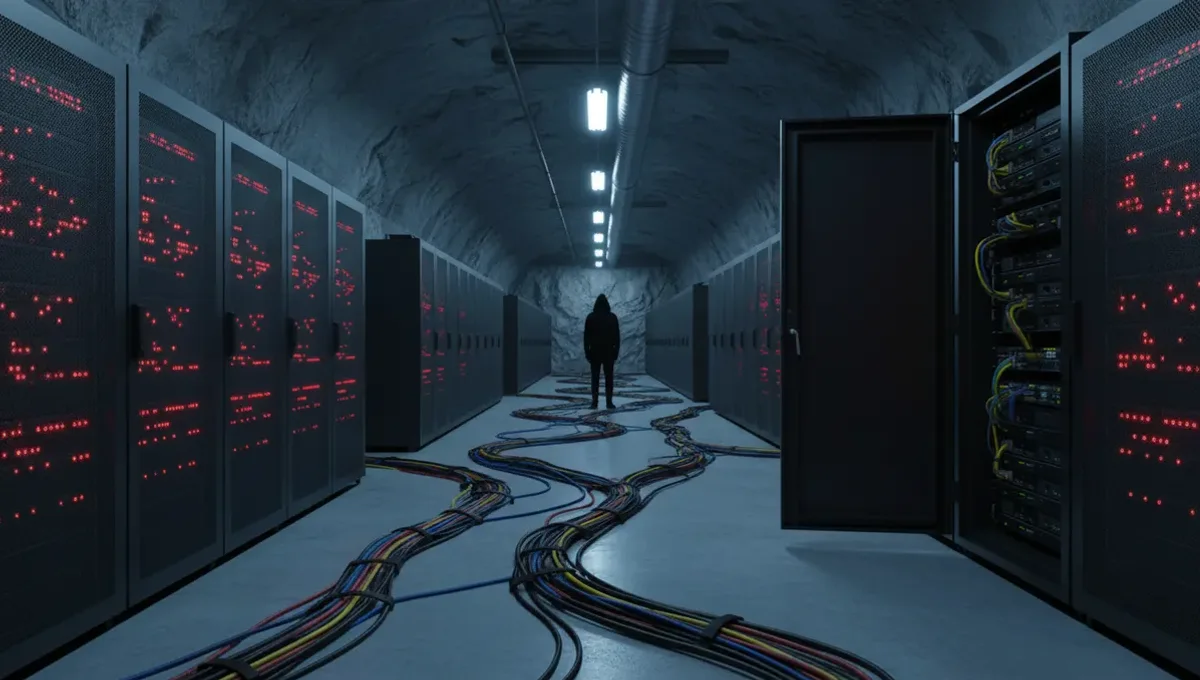
What Monopoly Market Was
Monopoly market was a Tor-based marketplace that functioned as a platform for buying and selling goods, with a heavy concentration of drug-related listings. Like other darknet markets, it used escrow systems, vendor ratings, and forum discussions to build user trust. The marketplace operated without requiring account registration in the traditional sense, instead using usernames and wallet addresses for transactions. Monopoly positioned itself as an alternative to other established markets by emphasizing vendor reliability and dispute resolution. The market attracted thousands of users and vendors over its operational period, making it one of the more visible darknet marketplaces during its time.
How Monopoly Market Operated
Monopoly used a multi-signature escrow system where cryptocurrency was held by the platform until both buyer and seller confirmed the transaction. Vendors created listings with product descriptions, prices, and shipping information, while buyers could search, review vendor ratings, and leave feedback. The marketplace charged commissions on transactions and required vendors to maintain certain standards to avoid account suspension. Users communicated through encrypted messaging within the platform, and disputes were resolved by marketplace administrators who reviewed evidence from both parties. The market also featured a forum section where users discussed operational security, shared vendor reviews, and warned each other about scams. This structure mimicked legitimate e-commerce platforms but operated entirely on the dark web with no legal oversight.
The Monopoly Market Link Problem
Finding the authentic monopoly market link was a persistent challenge for users because multiple phishing clones and fake mirrors circulated on forums and search results. Scammers would create nearly identical copies of the marketplace interface, capturing login credentials and cryptocurrency deposits from unsuspecting users. The real monopoly market link was typically shared through trusted vendor networks and forum posts, but users had no reliable way to verify authenticity without technical knowledge. Law enforcement and security researchers documented cases where users lost significant amounts of cryptocurrency to these fake versions. This vulnerability highlighted a fundamental weakness of darknet markets: the lack of a centralized, verifiable address system meant that users were constantly at risk of accessing counterfeit sites.
Reality Layer: How Darknet Markets Actually Fail
According to Tor Project documentation and public law enforcement press releases, darknet markets face three recurring failure modes: exit scams where operators disappear with user funds, law enforcement seizures that result in market shutdown and user data exposure, and technical vulnerabilities that allow attackers to compromise the platform. Monopoly's closure demonstrates that even established marketplaces with thousands of active users can be taken offline, leaving vendors and buyers without recourse. Security-vendor incident reports consistently show that users who lose access to their accounts often cannot recover funds held in escrow, and that marketplace administrators rarely respond to disputes once a market faces legal pressure. This matters to readers because it illustrates why trusting any single darknet marketplace with significant funds is inherently risky, and why operational security practices like using separate wallets and avoiding large transactions are essential.
Monopoly Market and the Alphabay Market Link Comparison
Monopoly and Alphabay were both significant darknet markets, but they operated in different eras and faced different fates. Alphabay was seized by law enforcement in 2017 after years of operation, resulting in the arrest of its administrator and the recovery of user data. Monopoly emerged later as a successor-style market, attempting to learn from Alphabay's mistakes by implementing different security measures and operational practices. However, both markets ultimately demonstrated that scale and user trust do not guarantee survival against determined law enforcement investigation. The comparison reveals a pattern: each generation of darknet marketplace believes it has solved the security and trust problems of its predecessors, yet each eventually faces the same vulnerabilities. Users who participated in both markets often transferred their vendor relationships and customer bases, but the underlying risks remained unchanged.
Why Monopoly Market Matters for Security Awareness
Monopoly's history serves as a case study in how darknet marketplaces attract users, build reputation systems, and eventually expose participants to legal and financial risk. The market demonstrated that even platforms with sophisticated escrow and rating systems cannot protect users from phishing, exit scams, or law enforcement action. For ordinary internet users, understanding how Monopoly operated illustrates why accessing dark web marketplaces carries consequences beyond the immediate transaction: user data, transaction history, and IP address information can be recovered by law enforcement or exposed through market breaches. Vendors who built their entire business on Monopoly lost access to their customer base and transaction history overnight. Buyers who held cryptocurrency in marketplace wallets faced total loss if they could not withdraw funds before shutdown. This matters because it demonstrates that the dark web is not a consequence-free zone, and that participation in illegal marketplaces creates a permanent digital record.
Verifying Darknet Market Addresses and Avoiding Clones
If you encounter a monopoly market link or any darknet marketplace address, verification requires multiple steps to avoid phishing clones. First, cross-reference the address across multiple trusted sources such as established forum communities and PGP-signed announcements from known vendors. Second, check whether the marketplace's security certificate and onion address match historical records from archived forum posts or security research reports. Third, use a fresh Tor Browser session and never click links from search results or untrusted sources. Fourth, verify the marketplace's PGP key if one is published, and confirm that any administrative announcements are signed with that key. If you cannot verify the address through at least two independent trusted sources, assume it is a clone. Many users have lost cryptocurrency by skipping these steps and accessing the first link they found in a search result.
What Happened to Monopoly Market
Monopoly market ceased operations, and the exact circumstances of its closure reflect the broader pattern of darknet marketplace takedowns. The market's status changed from operational to inaccessible, which typically indicates either law enforcement action, an exit scam by administrators, or a technical compromise. Users who had funds held in escrow or stored in marketplace wallets lost access to those assets. Vendors who relied on Monopoly as their primary sales channel faced immediate loss of inventory listings and customer relationships. The marketplace did not issue a formal announcement explaining the shutdown, which is common in darknet market closures because administrators often cannot communicate safely once law enforcement becomes involved. This uncertainty is part of the risk: users and vendors have no guarantee of transparency or recourse when a market disappears.
Frequently asked
Is monopoly market link still active
Monopoly market is no longer operational. The marketplace ceased functioning, and users lost access to their accounts and funds. The exact circumstances of the shutdown are unclear, but the market has not been accessible for an extended period. If you encounter a link claiming to be Monopoly, it is almost certainly a phishing clone designed to steal credentials and cryptocurrency.
How do I know if a monopoly market link is real
Verify any marketplace link through multiple independent trusted sources such as established forum communities and PGP-signed announcements. Cross-reference the onion address against historical records and check the marketplace's security certificate. If you cannot verify the address through at least two trusted sources, assume it is a clone. Never click links from search results or untrusted sources.
What happened to my funds on monopoly market
If you had cryptocurrency held in Monopoly's escrow or stored in a marketplace wallet, those funds are likely unrecoverable. When darknet markets shut down, users typically have no way to withdraw remaining balances. This is one of the primary risks of using darknet marketplaces: you have no legal recourse or customer protection if the platform disappears.
How is monopoly market different from alphabay
Monopoly and Alphabay were both darknet markets that operated in different time periods. Alphabay was seized by law enforcement in 2017, while Monopoly emerged later as a successor-style platform. Both markets ultimately faced shutdown, demonstrating that marketplace design changes do not protect against law enforcement action or fundamental security vulnerabilities.
Can I access monopoly market on the dark web now
Monopoly market is not accessible because it is no longer operational. Any link claiming to provide access to Monopoly is either a phishing clone or a scam. Attempting to access fake marketplace mirrors exposes you to credential theft, malware, and cryptocurrency loss. If you are researching darknet marketplaces, use verified information sources instead.