What Versus Market Was
Versus was a Tor-based darknet marketplace that primarily facilitated the sale of controlled substances, though it also hosted listings for other goods. The market operated with a structure common to many darknet platforms: vendor accounts, buyer accounts, escrow systems, and a dispute resolution process. Versus positioned itself as an alternative to other established darknet markets, competing on factors like vendor reliability, transaction speed, and interface design. The marketplace attracted users seeking to trade goods that are illegal or restricted in most jurisdictions. Like other darknet markets, Versus relied on cryptocurrency transactions and maintained anonymity through Tor routing. The market's reputation among users fluctuated based on vendor behavior, scam reports, and the platform's response to disputes.
How Versus Market Operated
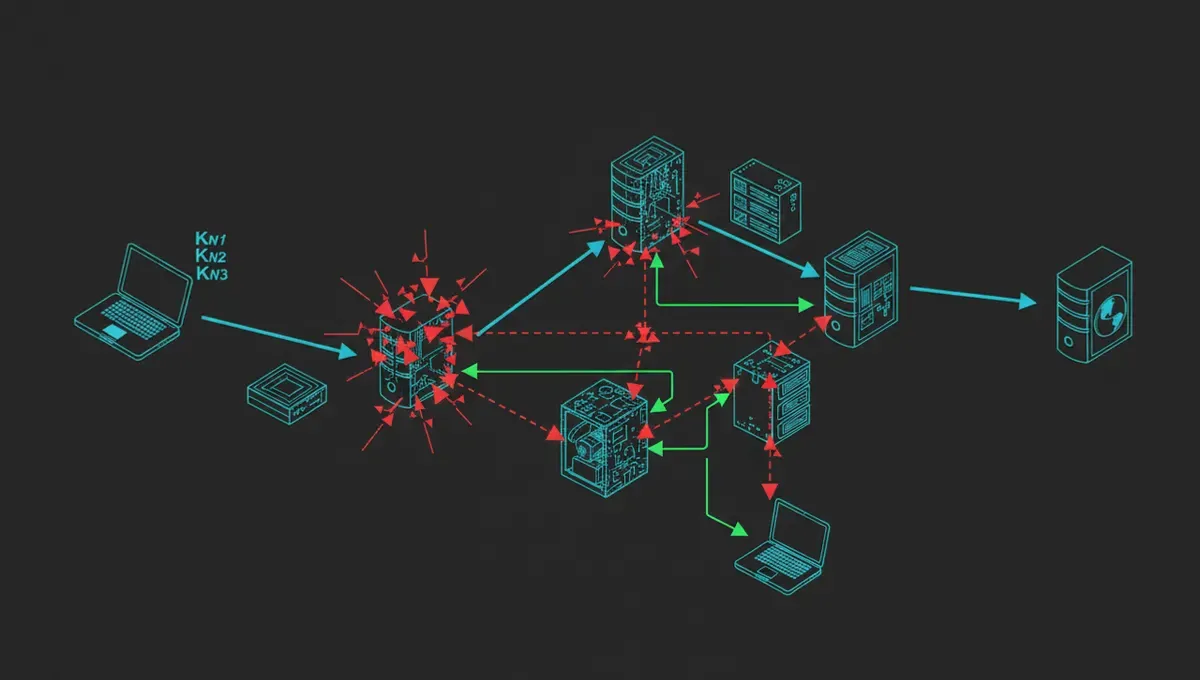
Versus market functioned as a centralized escrow platform where buyers and sellers conducted transactions without direct contact. When a buyer placed an order, funds were held in escrow by the marketplace until the transaction completed or a dispute arose. Vendors maintained profiles with ratings and reviews, similar to conventional e-commerce sites but operating entirely on hidden services. The marketplace charged fees on transactions, creating revenue for platform operators and funding server maintenance. Users accessed Versus through specific .onion addresses, which changed periodically to evade takedowns or mirror disruptions. The platform used PGP encryption for sensitive communications between users, though the marketplace itself did not require it for all interactions. Disputes between buyers and sellers were resolved by marketplace administrators who reviewed evidence and made rulings on fund allocation.
The Versus Project and Marketplace Evolution
The versus project darknet market represented one iteration in the broader ecosystem of Tor-based trading platforms. Like other darknet markets, Versus competed for users by offering perceived advantages: faster withdrawal times, lower fees, or better vendor vetting. The marketplace's operators made decisions about which product categories to allow, how strictly to enforce rules against scams, and how to respond to law enforcement pressure. These operational choices shaped user trust and determined whether the platform attracted serious vendors or primarily scammers. The versus market link was shared across forums and community sites, but users had to verify authenticity to avoid phishing clones that mimicked the real marketplace. The versus market URL changed multiple times during its operation, making it difficult for casual users to find the legitimate site without current information from trusted sources.
Why Versus Market Mattered in the Darknet Ecosystem
Versus market represented a significant node in the darknet marketplace network, handling substantial transaction volumes and hosting thousands of vendor accounts. The platform's operational model influenced how other markets designed their systems, particularly regarding escrow mechanisms and dispute handling. Security researchers and law enforcement agencies monitored Versus to understand marketplace trends, vendor networks, and the flow of illegal goods through Tor. The market's eventual closure or status change provided insights into how darknet platforms respond to pressure and whether they exit cleanly or disappear suddenly. Understanding the versus darknet market history helps illustrate the lifecycle of these platforms: growth phase, peak operation, regulatory attention, and eventual shutdown or exit. The marketplace also served as a case study in how users assess risk when choosing between competing platforms with similar functionality but different reputations.
Reality Layer: How Darknet Markets Actually Behave
Darknet marketplaces operate under constant threat from law enforcement, which means their status changes unpredictably. According to Tor Project documentation on hidden service security, centralized marketplaces create single points of failure that make them vulnerable to seizure or operator compromise. Court records from past marketplace prosecutions show that marketplace operators often maintain detailed transaction logs and user data, creating liability even when they believe they are anonymous. Security vendor incident reports consistently document that marketplace exit scams are common, where operators disappear with escrow funds, leaving users with no recourse. The versus market URL changes and mirror sites proliferate precisely because users cannot verify authenticity without current information from the operators themselves, typically shared through PGP-signed announcements on forums. This reality means that any marketplace claiming to be Versus without cryptographic verification is likely a phishing clone designed to steal credentials or funds.
Risks of Engaging with Darknet Marketplaces
Using darknet markets carries multiple overlapping risks that go beyond legal exposure. Phishing clones of popular marketplaces are extremely common, designed to capture login credentials or trick users into sending cryptocurrency to scammers. Vendors on these platforms frequently engage in exit scams, taking payment and never shipping goods, with no legal recourse available to buyers. Law enforcement agencies worldwide have successfully infiltrated and seized major darknet markets, leading to arrests of both operators and high-volume users. Marketplace operators themselves may be compromised, either by law enforcement running the site covertly or by hackers stealing user data. Even if a transaction completes successfully, users remain exposed to the risk of deanonymization through transaction analysis, metadata leaks, or law enforcement subpoenas of cryptocurrency exchanges. The versus project darknet market, like all similar platforms, presented these same risks to its users regardless of its reputation or operational practices.
Verifying Marketplace Authenticity and Staying Safe
If you encounter a marketplace claiming to be Versus or any other darknet market, verification is essential before any interaction. Legitimate marketplace operators announce official addresses and status updates through PGP-signed messages posted on established forums, which can be verified using the operator's public key. Check the Useful Resources page of this site for guidance on how to verify PGP signatures and find official announcements. Never trust a marketplace address shared in casual conversation or found through a simple search; instead, cross-reference multiple trusted sources. If a marketplace has been offline for an extended period, assume it is no longer operational and treat any site claiming to be it as a potential phishing clone. Use a dedicated virtual machine or Tails operating system when accessing any darknet marketplace, isolating your activity from your main system. Enable two-factor authentication if the marketplace offers it, and use a unique, strong password that you do not reuse elsewhere.
What Happened to Versus Market
The specific timeline and circumstances of Versus market's closure or status change are documented in security research and law enforcement announcements, but the exact details vary depending on the source. Some darknet markets close voluntarily when operators decide to exit, while others are seized by law enforcement or taken offline by hosting providers. The versus market link became inactive or unreliable at a certain point, leading users to seek alternatives or assume the platform had been compromised. Whether Versus experienced an exit scam, a law enforcement seizure, or a voluntary shutdown, the outcome was the same for users: loss of access to their accounts and any funds held in escrow. The marketplace's disappearance illustrates why users should never keep significant balances on any darknet platform, as the risk of sudden loss is inherent to the model. Today, any site claiming to be Versus market should be treated with extreme skepticism unless verified through official channels that no longer exist.
Frequently asked
Is Versus market still online
Versus market's operational status changes, and the last documented state should be verified through current security research or law enforcement announcements. If you find a site claiming to be Versus, verify it through PGP-signed announcements from the operators before trusting it. Any marketplace that has been offline for an extended period is likely no longer legitimate.
How do I verify a versus market link is real
Legitimate marketplace operators announce official addresses through PGP-signed messages posted on established forums. Check the Useful Resources page of this site for guidance on verifying PGP signatures. Never trust a marketplace address found through casual search or conversation; cross-reference multiple trusted sources before accessing any site.
What happened to Versus darknet market
Darknet marketplaces close for various reasons including law enforcement seizure, voluntary operator exit, or exit scams. The specific circumstances of Versus market's closure are documented in security research and law enforcement records. Regardless of the reason, users lost access to their accounts and any funds held on the platform.
Are there phishing clones of Versus market
Yes, phishing clones of popular darknet markets are extremely common and designed to steal credentials or cryptocurrency. These fake sites mimic the appearance of legitimate marketplaces but are controlled by scammers. Always verify the authenticity of any marketplace address before entering credentials or sending funds.
What risks come with using darknet marketplaces like Versus
Risks include phishing clones, vendor exit scams, law enforcement seizure, deanonymization through transaction analysis, and operator compromise. Even successful transactions expose users to legal consequences and cryptocurrency traceability. Using a dedicated virtual machine and verifying all addresses reduces but does not eliminate these risks.