The State of Darknet Markets in 2022
The year 2022 marked a period of significant disruption for darknet marketplaces. Several of the largest platforms that had operated for years had already been dismantled or abandoned by their operators. The marketplace ecosystem remained active, but with reduced trust and increased fragmentation compared to earlier years.
Law enforcement agencies across multiple countries had intensified their focus on darknet infrastructure. These actions created a pattern: markets would launch, operate for months or years, then face either coordinated takedowns or sudden closures when operators decided to exit with user funds. The remaining platforms competed for users by claiming improved security or operational transparency, though verification of these claims remained difficult.
The technical infrastructure supporting these markets had also evolved. Operators implemented additional layers of anonymization and moved hosting across multiple jurisdictions. However, this complexity did not prevent determined law enforcement investigations from identifying operators and users through transaction analysis, metadata leaks, and traditional detective work.
How Darknet Marketplaces Operated
Darknet markets functioned as decentralized or semi-centralized platforms accessible only through Tor. Users created accounts, deposited cryptocurrency (typically Bitcoin or Monero), and browsed vendor listings organized by category. The marketplace operator held funds in escrow during transactions, releasing payment to vendors only after buyers confirmed receipt.
Vendor reputation systems were central to trust. Vendors accumulated feedback scores and reviews from completed transactions. Buyers relied on these ratings to assess reliability, though the system was vulnerable to manipulation through fake reviews or vendor account takeovers.
Security measures included multi-signature wallets, PGP-encrypted communications between buyers and vendors, and dispute resolution processes managed by marketplace administrators. However, these protections were only as strong as the operator's commitment to maintaining them. Many platforms suffered from poor operational security, leading to data breaches, wallet theft, or sudden disappearances with user funds.
Major Marketplace Seizures and Closures
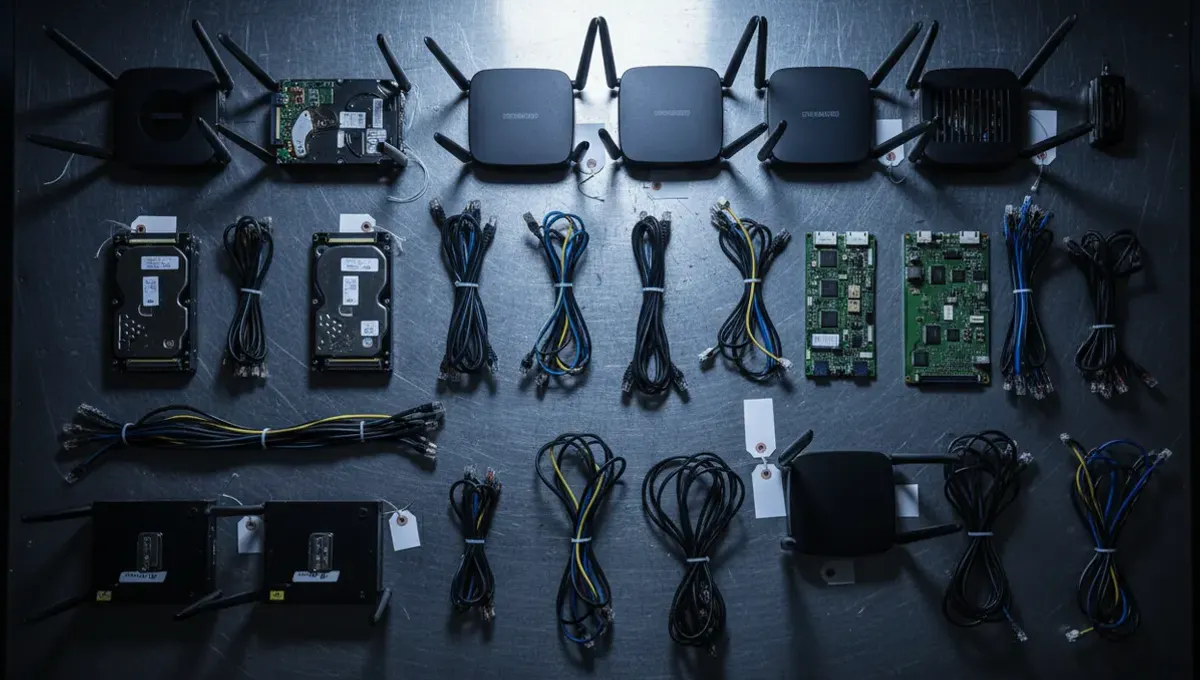
Several prominent platforms faced law enforcement action during or shortly before 2022. These operations typically involved coordinated efforts between agencies in multiple countries, combining traditional investigation techniques with blockchain analysis and undercover operations.
When a marketplace was seized, law enforcement typically published announcements explaining the charges against operators and the evidence gathered. Court records and press releases from agencies like the U.S. Department of Justice provided detailed accounts of how investigations proceeded, from initial identification of server locations to the arrest of individuals behind the platforms.
Exit scams also contributed to market closures. Operators would suddenly withdraw all funds held in escrow and disappear, leaving vendors and buyers with total losses. These events generated significant discussion on Reddit and other forums where users shared warnings about affected platforms and discussed which alternatives might be safer. The pattern of closures and scams created a cycle where users constantly searched for new platforms, making searches for "top darknet markets 2022" and "best darknet markets" persistent queries.
Why Understanding Darknet Markets Matters for Security
Darknet marketplaces represent a critical case study in how anonymity technologies can be misused and how law enforcement adapts to new challenges. For security professionals, researchers, and ordinary users, understanding these platforms reveals important lessons about cryptocurrency traceability, operational security failures, and the limits of anonymity.
One key insight comes from law enforcement press releases and court documents: blockchain analysis has become increasingly effective at tracing cryptocurrency transactions, even when users believe they are anonymous. This matters because many people assume that using Bitcoin or Monero on the darknet guarantees untraceable transactions. In reality, transaction patterns, timing, and exchange interactions often leave forensic traces that investigators can follow.
A second insight from security-vendor incident reports and academic research on onion services: centralized marketplaces are inherently vulnerable to both law enforcement and criminal exploitation. When all user funds flow through a single operator's wallet, that operator becomes a target for theft, and users face total loss if the operator is compromised or exits the platform. This vulnerability has driven some users toward decentralized alternatives, though these present their own security and usability challenges.
Understanding these dynamics helps ordinary users recognize similar risks in other online contexts: the importance of not trusting a single platform with irreplaceable funds, the reality that anonymity does not equal security, and the value of operational security practices like PGP encryption and careful account hygiene.
Scams, Phishing Clones, and Verification Challenges
As legitimate marketplaces faced seizure or closure, scammers created fake versions to steal from users. These phishing clones mimicked the design and branding of popular platforms but directed users to malicious sites that harvested credentials or cryptocurrency.
Verifying the authenticity of a darknet marketplace address became a critical security practice. Legitimate operators sometimes published PGP-signed announcements on forums or through social media accounts to confirm official addresses. However, users often missed these announcements or fell victim to fake signatures. The proliferation of clones created a situation where even experienced users could not be certain they were accessing the real platform.
This problem extended to mirror sites and backup addresses. When a marketplace faced technical issues or law enforcement pressure, operators would announce new addresses. Scammers would create additional fake mirrors, exploiting the confusion. Users who deposited funds into what they believed was an official mirror sometimes discovered they had sent cryptocurrency to criminals. The lesson for security-conscious users: always verify addresses through multiple independent sources, check PGP signatures against keys published on official channels, and be extremely cautious about addresses shared in forums or social media without cryptographic verification.
Law Enforcement Adaptation and Investigation Techniques
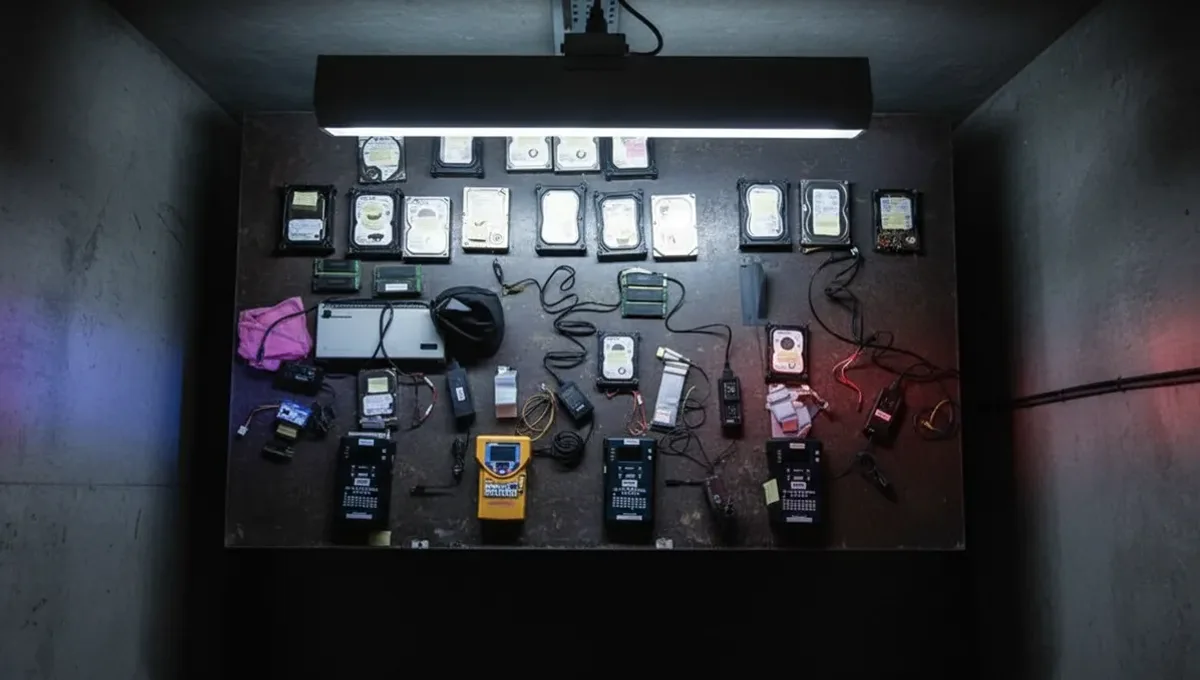
By 2022, law enforcement agencies had developed sophisticated methods for investigating darknet marketplaces. Court records from prosecutions revealed the investigative pathway: identifying server infrastructure, obtaining warrants to access logs, analyzing blockchain transactions, and conducting undercover operations as buyers or vendors.
One documented technique involved analyzing transaction patterns to identify marketplace operators. Even when operators used privacy coins like Monero, their spending patterns, timing of transactions, and interactions with exchanges sometimes revealed their identity. Agencies also worked with cryptocurrency exchanges to identify users who withdrew funds from marketplaces, creating a bridge between the anonymous darknet and the regulated financial system.
Undercover operations played a significant role in many cases. Federal agents created accounts on marketplaces, made purchases, and communicated with vendors and operators. These interactions generated evidence of criminal intent and provided opportunities to identify individuals behind accounts. The combination of technical analysis and traditional detective work proved effective across multiple jurisdictions, suggesting that the technical sophistication of darknet platforms did not provide reliable protection against determined investigation.
What Changed and What Remains Uncertain
The marketplace landscape of 2022 differed substantially from the earlier era of platforms like Silk Road. Operators had become more cautious about operational security, implementing additional anonymization layers and avoiding the kinds of public mistakes that had led to previous arrests. However, this increased caution did not eliminate the fundamental vulnerabilities of centralized platforms.
The status of specific marketplaces changes frequently. Some platforms that were active in 2022 may have since closed, been seized, or migrated to new addresses. Others may have launched after that period. Rather than relying on outdated information about which platforms are currently operational, users should verify current status through recent announcements, PGP-signed statements from operators, and community discussions on forums like Reddit. The Useful Resources page of this site provides guidance on how to verify addresses and check for official announcements.
One consistent pattern remains: the fundamental tension between anonymity and security. Platforms that prioritize user anonymity often sacrifice operational transparency and accountability. Platforms that implement stronger verification and security measures necessarily reduce anonymity. This trade-off has not been resolved and continues to shape how darknet marketplaces operate and fail.
Practical Takeaways for Security-Conscious Users
Understanding darknet markets in 2022 and their history teaches several lessons applicable to broader online security. First, centralized platforms that hold user funds or data are inherently risky, regardless of their anonymity features. Second, anonymity does not equal security, and privacy technologies can be undermined by poor operational security, blockchain analysis, or traditional investigation methods.
Third, verification is essential. Whether checking a marketplace address, verifying a PGP signature, or assessing a vendor's reputation, users should rely on multiple independent sources and cryptographic verification rather than trusting appearances or community consensus alone.
If you are researching darknet markets for security awareness or academic purposes, start by reviewing official law enforcement announcements and court documents related to marketplace seizures. These sources provide factual accounts of how investigations proceeded and what vulnerabilities were exploited. Cross-reference this information with security research and avoid relying on forum discussions or marketplace announcements, which may be misleading or outdated. This approach will give you a grounded understanding of how these platforms actually functioned and why they ultimately proved vulnerable to both law enforcement and criminal exploitation.
Frequently asked
What happened to darknet markets in 2022
Several major darknet marketplaces faced law enforcement seizures or were abandoned by operators through exit scams during 2022 and the years immediately preceding it. The remaining platforms operated with reduced user trust and increased fragmentation. Law enforcement agencies intensified their focus on marketplace infrastructure, using blockchain analysis and traditional investigation methods to identify operators and users.
Are darknet markets still active
The status of specific marketplaces changes frequently due to seizures, closures, and migrations. Rather than relying on outdated lists, verify current information through recent PGP-signed announcements from operators and community discussions. Law enforcement continues to target these platforms, so any marketplace that appears active today may be seized or abandoned tomorrow.
How do law enforcement agencies shut down darknet markets
Agencies use a combination of techniques: identifying server infrastructure through technical analysis, obtaining warrants to access logs, analyzing blockchain transactions to trace cryptocurrency, conducting undercover operations, and working with exchanges to identify users who withdraw funds. Court records from prosecutions reveal that this multi-faceted approach has proven effective across multiple jurisdictions.
What is the difference between darknet markets and the dark web
The dark web refers to any part of the internet that requires specific software like Tor to access. Darknet markets are specific platforms built on the dark web where users buy and sell goods and services. Not all dark web content is related to marketplaces; much of it consists of forums, news sites, and privacy-focused services.
Can cryptocurrency transactions on darknet markets be traced
Yes, law enforcement has demonstrated the ability to trace cryptocurrency transactions even on the darknet. Blockchain analysis, transaction pattern recognition, and exchange interactions often leave forensic traces. Privacy coins like Monero offer stronger privacy guarantees than Bitcoin, but even these can be vulnerable to analysis and investigation.