The 2022 Darknet Market Collapse
The year 2022 marked a turning point for top darknet markets. Several long-running platforms either disappeared, were seized by law enforcement, or executed exit scams. The most prominent closures included Hydra Market, which had dominated the Russian-language darknet for years, and multiple smaller operations that had been operating since the early 2020s. These weren't isolated incidents; they reflected a coordinated international law-enforcement effort and the inherent instability of platforms built on trust between anonymous strangers.
The pattern was consistent: a marketplace would operate for months or years, accumulate user funds and vendor commissions, then either vanish with customer deposits or get taken offline by authorities. Users on darknet markets 2022 Reddit threads documented losses in the thousands of dollars. The closures created a vacuum, but no single replacement emerged with the same scale or user base, suggesting the ecosystem had become more fragmented and risky.
Major Law Enforcement Actions
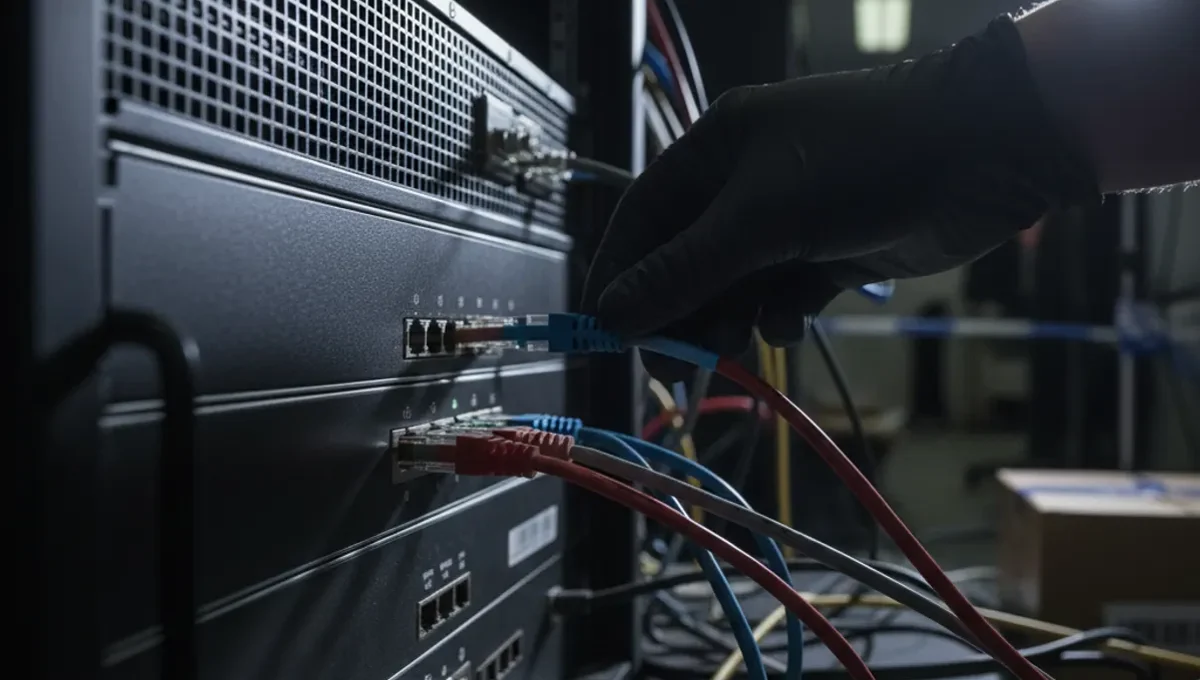
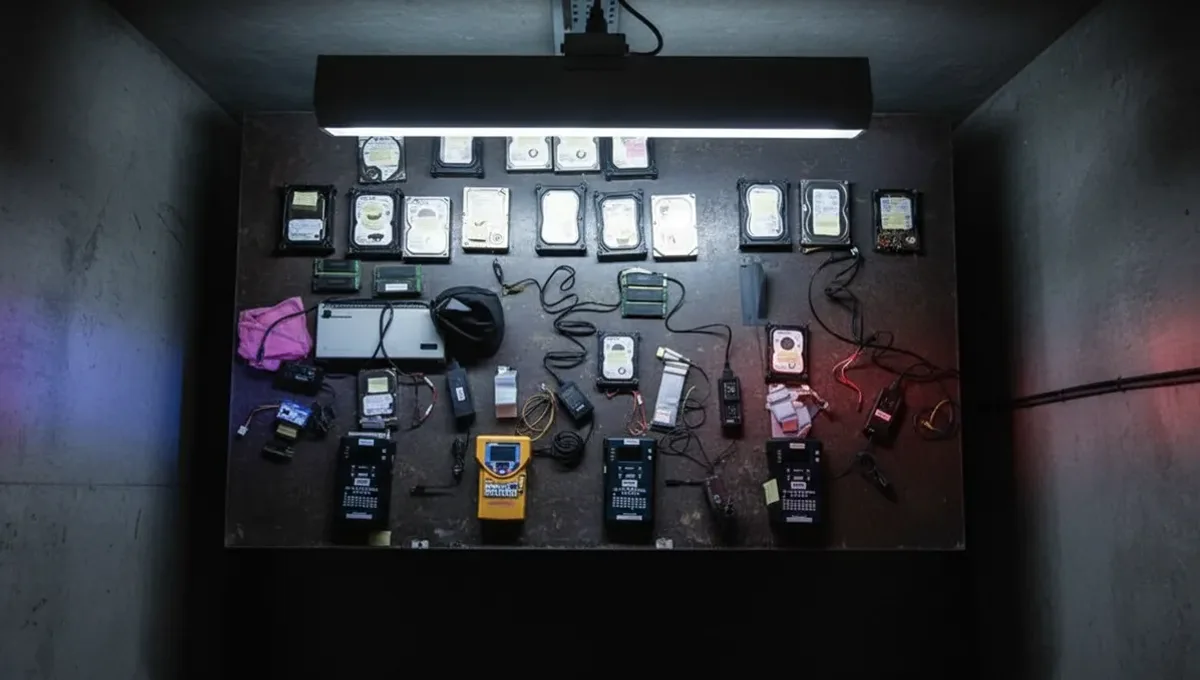
Law enforcement agencies across multiple countries coordinated takedowns of significant darknet markets 2022 operations. These actions typically involved months of undercover investigation, blockchain analysis to trace cryptocurrency transactions, and cooperation between national agencies. When a market was seized, authorities would preserve the server and sometimes maintain the site briefly to gather intelligence on users and vendors.
The technical approach evolved during this period. Investigators used transaction analysis on public blockchains, correlation attacks on Tor exit nodes (in limited scenarios), and traditional detective work such as tracing vendor shipping patterns and financial flows. Court records from prosecutions showed that most marketplace operators made operational security mistakes: reusing email addresses, failing to compartmentalize identities, or leaving logs that revealed their real locations. These cases demonstrated that running an illegal marketplace at scale is extremely difficult to do without leaving traces.
Exit Scams and User Losses
Exit scams became a defining feature of the 2022 darknet market environment. An exit scam occurs when a marketplace operator suddenly closes the site and disappears with all customer funds held in escrow. Unlike a law enforcement seizure, an exit scam is a theft by the operator themselves, and users have no recourse.
Several mid-sized markets executed exit scams in 2022, with some operators stealing millions in cryptocurrency. The scams followed a predictable pattern: the operator would disable withdrawals, claim a technical issue, then go silent. Users who had deposited funds for purchases or vendors who had held balances lost everything. These incidents reinforced a harsh reality of darknet markets: there is no legal protection, no insurance, and no appeals process. The only safeguard is the operator's reputation, which is worthless once they have decided to steal.
How the Best Darknet Markets Operated
Understanding how the best darknet markets functioned in 2022 requires looking at their core mechanics. Successful platforms typically offered multi-signature escrow, where neither the buyer nor the seller could access funds without both parties and the marketplace agreeing. They maintained vendor bonds, requiring sellers to deposit cryptocurrency upfront to discourage low-quality or scam vendors. They also used dispute resolution systems where marketplace staff would review complaints and decide who received the funds.
These features created an illusion of safety, but they were only as reliable as the operator's honesty. A marketplace could always choose to side with vendors over buyers, or simply steal the escrow funds. The best markets were those with long track records and active communities that monitored operator behavior, but even this was insufficient protection. The fundamental problem remained: there was no external enforcement mechanism, no court system, and no way to verify that an operator would not eventually exit scam or get arrested.
Why Tor Darknet Markets Remain Unstable
The 2022 experience revealed structural reasons why tor darknet markets are inherently fragile. First, they operate in a legal gray zone or outright illegality, meaning operators cannot use traditional business infrastructure, banking, or dispute resolution. Second, the anonymity that attracts users also means operators can disappear instantly without consequences. Third, law enforcement has become increasingly sophisticated at tracing cryptocurrency and identifying operators through operational security mistakes.
A fourth factor is vendor and user behavior. Marketplaces attract both legitimate users seeking privacy and criminals. Vendors range from people selling legal goods to those trafficking in stolen data, malware, or dangerous substances. This mix creates constant friction: legitimate users distrust the platform, criminals exploit it, and law enforcement targets it. The result is a cycle where platforms rise, accumulate users and funds, then collapse either through seizure or scam. No marketplace has solved this problem; they have only delayed it.
Reality Check: What Actually Happened in 2022
According to public law-enforcement press releases and court documents, the 2022 takedowns were coordinated across multiple jurisdictions and focused on high-value targets. Tor Project documentation notes that while Tor itself is a legitimate privacy tool used by journalists and activists, it is also used for illegal marketplaces, and the Tor Project does not control or monitor these sites. This distinction matters: the tool is neutral, but its use in illegal contexts creates risk for all users.
Security-vendor incident reports from 2022 documented that marketplace operators made consistent mistakes: they reused identifiers across platforms, failed to use air-gapped systems for key management, and left traces in server logs. Academic research on onion services has shown that even with Tor, maintaining operational security at scale is extremely difficult. For ordinary users, the lesson is clear: any marketplace promising anonymity and safety is making a promise it cannot keep. The 2022 collapses proved this repeatedly.
What Changed After 2022
The marketplace landscape after 2022 became more decentralized and less stable. Instead of one or two dominant platforms, the ecosystem fragmented into smaller, shorter-lived markets. Some users migrated to forums and peer-to-peer arrangements. Others abandoned darknet markets entirely, either because they lost money or because the risk became too obvious.
For security-conscious users, the key takeaway is that no darknet marketplace is a safe place to hold funds or conduct transactions. If you are researching these topics for security awareness or academic purposes, focus on understanding how they fail, not on how to use them. The 2022 events demonstrated that law enforcement is capable of identifying and prosecuting operators, that exit scams are common, and that user funds are always at risk. The only safe approach is to avoid these platforms altogether.
Frequently asked
What happened to major darknet markets in 2022
Several large platforms were seized by law enforcement or executed exit scams, including Hydra Market. Users lost significant funds, and the marketplace ecosystem became more fragmented. The year marked a turning point where coordinated international law-enforcement actions and operational security failures by operators led to widespread closures.
Did any tor markets survive 2022
Some smaller markets continued operating, but the landscape became less stable overall. No single platform emerged with the scale or user base of the pre-2022 leaders. The status of any specific marketplace changes frequently, so verification through current sources is necessary rather than relying on outdated information.
How did law enforcement take down darknet markets in 2022
Agencies used blockchain analysis to trace cryptocurrency transactions, undercover investigation, and cooperation between countries. Operators made operational security mistakes such as reusing identifiers and leaving server logs. Court records showed that most marketplace operators left traces that investigators could follow.
What is an exit scam on darknet markets
An exit scam occurs when a marketplace operator closes the site and disappears with all customer funds held in escrow. Unlike law enforcement seizures, exit scams are theft by the operator. Users have no recourse because there is no legal protection or appeals process on these platforms.
Why are tor darknet markets unstable
They operate outside legal frameworks, operators can disappear instantly without consequences, law enforcement has become more sophisticated, and the mix of legitimate and criminal users creates constant friction. These structural problems mean no marketplace has solved the fundamental instability issue.