What Free Dark Web Access Actually Means
Free dark web access means using software that routes your connection through multiple servers to reach hidden services and onion sites. The Tor Browser is the standard tool, maintained by the Tor Project, a nonprofit organization. It works by encrypting your traffic and bouncing it through a series of volunteer-run relays before reaching your destination. This is different from the surface web, where your ISP can see which websites you visit. On the dark web, even your ISP cannot see where you're connecting. The term 'dark web' refers to content intentionally hidden and accessible only through specific software like Tor. Many people confuse the dark web with the deep web, which is simply any part of the internet not indexed by search engines, including password-protected email accounts and medical records.
The Tor Browser: Your Primary Tool for Free Access
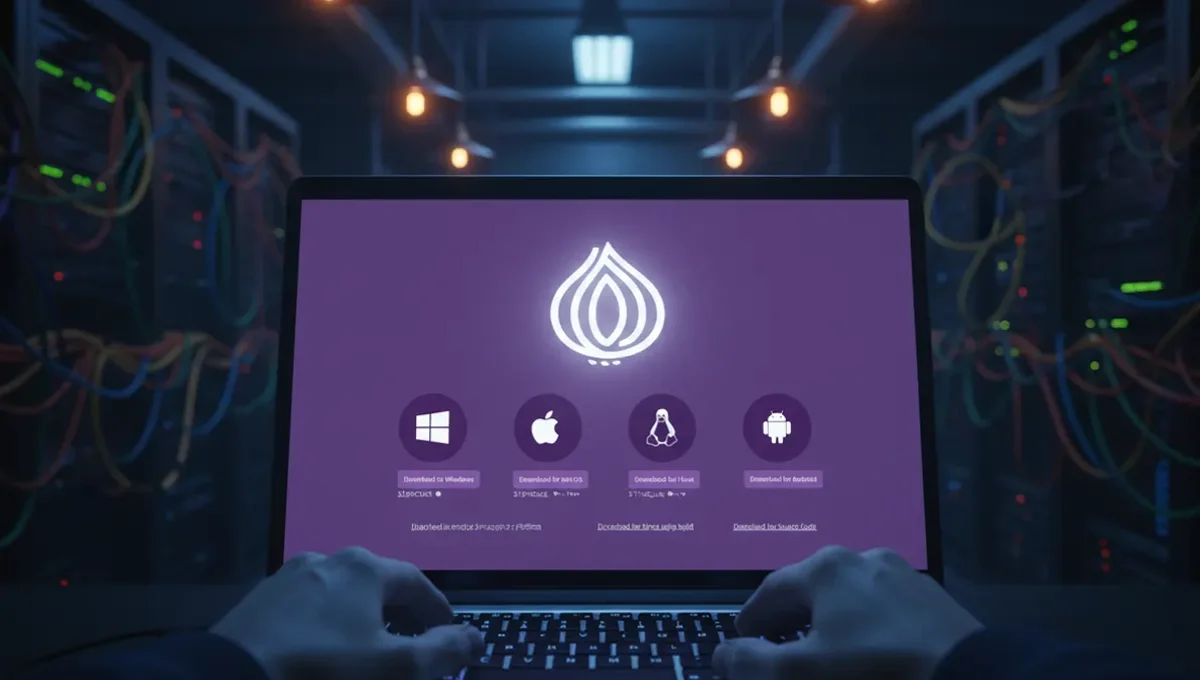
The Tor Browser is a modified version of Firefox that automatically routes all traffic through the Tor network. You download it for free from the official Tor Project website, and it works on Windows, macOS, Linux, and Android. The browser handles the technical complexity of connecting to Tor relays, so you do not need to configure anything manually. When you open the Tor Browser, it establishes a connection through multiple encrypted layers before loading any webpage. Each time you restart the browser, your exit relay changes, which helps prevent tracking across sessions. The browser also disables plugins and JavaScript by default to reduce attack surface. Unlike a VPN, which you pay for and which can see your traffic, Tor is free and decentralized, meaning no single entity controls or monitors your connection.
Other Free Tools and Methods for Dark Web Access
Beyond the Tor Browser, several other free options exist for accessing the dark web, though each has different trade-offs. Tails is a live operating system that routes all traffic through Tor automatically and leaves no trace on your computer after shutdown. Whonix is a virtual machine setup that isolates Tor traffic from your main system. Both are free but require more technical knowledge than the Tor Browser. Some people use a dark web access app on mobile devices, though these are less mature than desktop Tor. A dark web access browser alternative is the Onion Browser on iOS or Orbot on Android, which route traffic through Tor. The Tor network itself is the backbone of all these tools, so they all rely on the same underlying technology. Choosing between them depends on your threat model and how much anonymity you need.
Reality Check: How Tor Actually Protects You and Where It Fails
Tor protects your IP address from the websites you visit and prevents your ISP from seeing which onion sites you access. According to Tor Project documentation, the network uses multiple layers of encryption so that no single relay knows both your IP and your destination. However, Tor does not protect you from malware, phishing, or your own mistakes. If you download a file from an onion site and open it without checking it first, you can be infected regardless of Tor. Law-enforcement agencies have successfully deanonymized Tor users by exploiting browser vulnerabilities, running malicious exit nodes, or analyzing traffic patterns over time. Court records from prosecutions of darknet marketplace operators show that users who reused usernames, uploaded unencrypted files, or enabled plugins were identified. This matters because it means Tor is a tool for privacy, not a guarantee of invisibility. Your behavior and operational security determine whether Tor actually protects you.
Setting Up Free Dark Web Access: Step by Step
To begin accessing the dark web safely, follow these steps in order:
- Visit the official Tor Project website (torproject.org) from your regular browser.
- Download the Tor Browser for your operating system.
- Verify the signature of the downloaded file using the provided PGP key to confirm it has not been tampered with.
- Extract or install the Tor Browser to a folder on your computer.
- Open the Tor Browser and wait for it to connect to the Tor network, which may take 10-30 seconds.
- Once connected, your browser will display the Tor Browser home page with a green onion icon.
- Test your connection by visiting a site like check.torproject.org to confirm Tor is working.
Do not download Tor from anywhere except the official website. Clones and mirrors may contain malware. Do not open the Tor Browser and immediately visit a sensitive site; let it fully initialize first. Do not maximize your browser window to full screen, as this can make you easier to fingerprint.
Verifying Onion Addresses and Avoiding Phishing Clones
Onion addresses are long, seemingly random strings of characters that look like this: example7doxb433w.onion. Legitimate onion sites publish their addresses on official channels, usually with a PGP signature to prove authenticity. Before visiting any onion site, verify the address through multiple independent sources. Many popular darknet marketplaces and forums have been cloned by scammers who host fake versions at different addresses to steal credentials or funds. If you find an onion address on a forum post or in a chat, cross-reference it against the official announcement or the site's PGP-signed statement. Bookmarking addresses is safer than searching for them each time, because search results can include phishing clones. The Tor Browser does not protect you from visiting the wrong site, so verification is your responsibility. If a site asks you to enable JavaScript or install a plugin, that is a red flag.
Common Mistakes That Compromise Your Safety
Many people who gain free dark web access make preventable errors that undermine their anonymity. Reusing the same username across multiple onion sites allows attackers to link your accounts and build a profile of your activity. Uploading files without removing metadata can leak your real location and device information. Enabling plugins or allowing JavaScript to run can expose your real IP address through browser exploits. Maximizing your browser window or changing the default zoom level makes you easier to fingerprint and identify. Visiting the dark web while also using your real identity on the surface web in the same session creates a link between them. Torrenting over Tor is dangerous because BitTorrent leaks your IP address by design, bypassing Tor entirely. Assuming that Tor alone makes you invisible leads to careless behavior that gets people caught. The safest approach is to treat Tor as one layer of a larger security practice that includes careful behavior, strong passwords, and encrypted messaging.
Your Next Step: Secure Your Setup Before Exploring
Free dark web access is straightforward to obtain, but safety requires preparation before you connect. Download the Tor Browser from the official source, verify its signature, and test it on a non-sensitive site first. Set up a separate user account or virtual machine if you plan to access the dark web regularly, so that your Tor activity is isolated from your everyday browsing. Disable JavaScript in the Tor Browser settings under Security. Use a strong, unique password for any accounts you create on onion sites, and store it in a password manager. Read the Useful Resources page on this site for links to PGP-signed announcements from legitimate projects. Do not assume that visiting an onion site is inherently risky; many are used for journalism, activism, and privacy research. The risk comes from the sites you choose and the decisions you make once you are connected.
Frequently asked
Is it legal to access the dark web for free
Accessing the dark web itself is legal in most countries. Using Tor and visiting onion sites is not a crime. However, what you do on the dark web may be illegal depending on your jurisdiction and the content you access. Buying drugs, weapons, or stolen data is illegal. Visiting sites for research, journalism, or privacy is not.
Can I be traced if I use Tor for free dark web access
Tor protects your IP address from websites, but it does not make you completely untraceable. Law enforcement has successfully identified Tor users through browser exploits, malware, traffic analysis, and user mistakes like reusing usernames. Your safety depends on your behavior, not just on using Tor. Avoid uploading files, reusing identities, and enabling plugins.
What is the best free browser to access the dark web
The Tor Browser is the standard and most reliable free option. It is maintained by the Tor Project and works on all major operating systems. For advanced users, Tails and Whonix offer stronger isolation but require more technical setup. For mobile, Orbot and Onion Browser are free alternatives, though they are less mature.
Do I need a VPN to access the dark web safely
A VPN is not required to use Tor, and combining them is debated among security experts. Some argue that a VPN adds a layer of protection by hiding your Tor connection from your ISP. Others say it introduces a trusted third party that can see your traffic. If you use a VPN with Tor, connect to the VPN first, then open the Tor Browser.
How do I know if an onion address is real or a phishing clone
Verify onion addresses through official channels, such as PGP-signed announcements or the site's official social media accounts. Bookmark addresses instead of searching for them. Check the Useful Resources page on this site for links to verified project announcements. If an address looks slightly different from what you expect, it is likely a clone.