What Was Wall Market Darknet
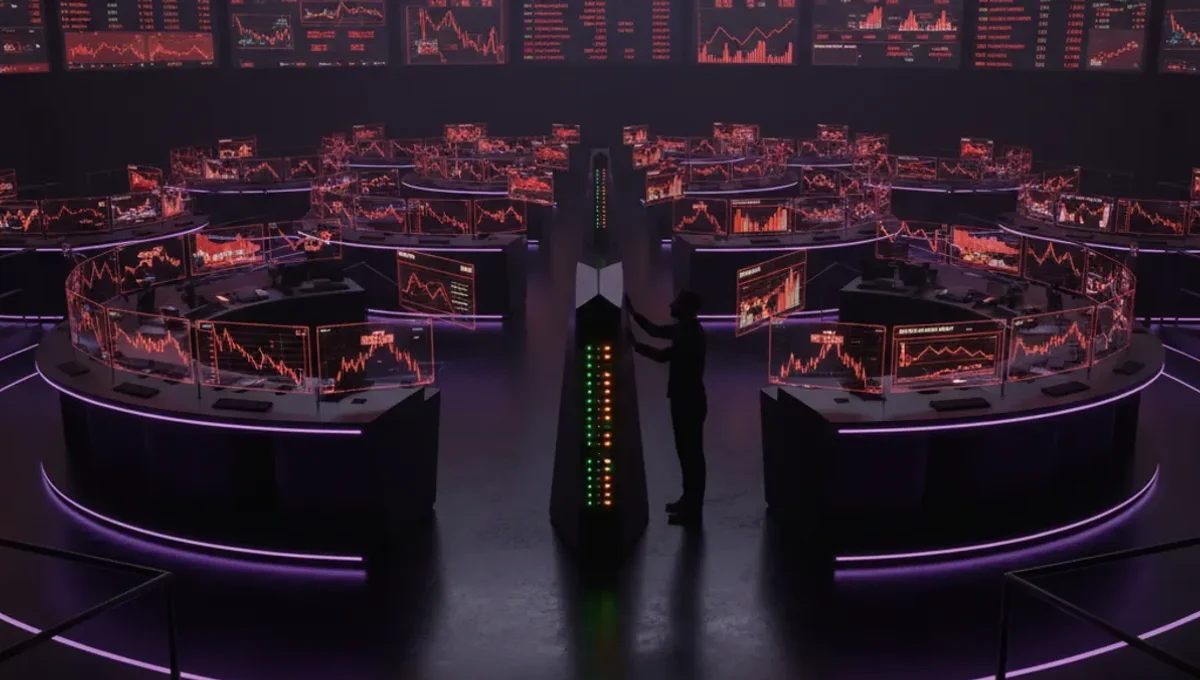
Wall Market was a Tor-based marketplace that operated as a general-purpose darknet market, similar in structure to other major platforms like the Wall Street Market darknet. It functioned as an escrow-based platform where vendors could list goods and services, and buyers could browse, purchase, and leave feedback. The marketplace used cryptocurrency for transactions and maintained a reputation system to build trust between anonymous parties. Like most darknet markets, it required users to access it through the Tor browser and navigate to a .onion address. The site attracted a significant user base over its operational period, though exact user numbers were never publicly verified.
Timeline and Closure of Wall Market
Wall Market operated for several years before ceasing operations. The exact closure date and circumstances vary depending on the source, but the marketplace is no longer accessible at its original address. Some darknet markets close voluntarily when operators decide to exit, while others are seized by law enforcement or compromised by security breaches. The status of Wall Market changed, and it is not currently documented as an active marketplace. Users searching for the site today will find only dead links and mirrors that no longer function. If you encounter a site claiming to be Wall Market with an active .onion address, it is almost certainly a phishing clone or scam operated by someone else.
How Wall Market Operated
The Wall Street Market darknet and similar platforms like Wall Market used a multi-signature escrow system. When a buyer purchased an item, cryptocurrency was held in escrow by the marketplace until the buyer confirmed receipt and satisfaction. Vendors maintained profiles with feedback ratings, similar to legitimate e-commerce sites. The marketplace charged fees on transactions and sometimes offered dispute resolution if a buyer and vendor disagreed. Users communicated through encrypted private messages within the platform. This structure created the illusion of safety, but it also concentrated risk: if the marketplace operator was dishonest or if the site was compromised, all user funds and data were at risk.
Why Users Trusted Wall Market and Why That Trust Was Misplaced
Wall Market attracted users because it maintained uptime, processed transactions reliably for a period, and had accumulated positive vendor feedback. Users assumed that a marketplace with a long operational history and thousands of transactions must be trustworthy. However, this reasoning is flawed. A marketplace can operate legitimately for years and then exit scam, stealing all escrow funds and user data. Alternatively, law enforcement can seize a marketplace and use it to identify and arrest users. The reputation system itself is gameable: vendors can use fake accounts to inflate their ratings, and marketplace operators can manipulate feedback. Trust in an anonymous marketplace is always provisional and incomplete.
Phishing Clones and How Scammers Exploit the Wall Market Name
After Wall Market closed, scammers created fake sites using the same name and similar designs. These clones appear in search results and are shared in forums with claims that they are mirrors or new versions of the original marketplace. A user who visits a phishing clone may enter their username and password, which the scammer then uses to access the user's account on other platforms or to impersonate them. Alternatively, the clone may display a fake login page designed to steal cryptocurrency addresses or private keys. The clone may also distribute malware disguised as a marketplace client or browser extension. Identifying a real marketplace address requires verification through PGP-signed announcements from the marketplace operator, not through search results or forum posts.
Reality Layer: How Darknet Markets Actually Fail
According to Tor Project documentation and public law-enforcement press releases, darknet markets fail through three main mechanisms: law-enforcement seizure, operator exit scams, and technical compromise. When a marketplace is seized, users lose access and their funds are often frozen or forfeited. When an operator exits, they typically steal all escrow balances and user data before disappearing. When a marketplace is compromised by a security breach, user credentials and transaction history become visible to attackers. Court records from major marketplace prosecutions show that operators often maintained detailed logs of user activity, contradicting the assumption that darknet transactions are untraceable. This matters because it means that using a marketplace carries both immediate financial risk (loss of funds to scams or seizure) and long-term legal and privacy risk (exposure of past transactions if the marketplace is later seized).
How to Verify a Darknet Market Address and Avoid Clones
If you encounter a site claiming to be Wall Market or any other darknet marketplace, follow these steps before trusting it:
- Check the Useful Resources page of this site for links to verified marketplace announcements and PGP keys.
- Visit the official Tor Project website to confirm you are using the latest version of Tor Browser.
- Look for a PGP-signed message from the marketplace operator posted on a forum or social media account with a long history.
- Compare the .onion address in the PGP message with the address you are visiting; they must match exactly.
- Check whether the address uses HTTPS (indicated by a lock icon in Tor Browser) and whether the site displays a security certificate.
- If the site asks you to download software, verify the download's PGP signature before running it.
- Never enter a username or password on a marketplace you have not verified through a PGP-signed announcement.
Phishing clones often have addresses that are similar but not identical to the real marketplace, or they use outdated addresses that were published years ago.
What Wall Market's Closure Teaches About Darknet Security
The closure of Wall Market and similar marketplaces demonstrates that no darknet marketplace is permanent or fully secure. Users who stored funds or sensitive data on the platform lost access to both. Vendors who relied on the marketplace for income saw their business disappear overnight. Buyers who had pending orders or disputes had no recourse. The lesson is that darknet markets are high-risk platforms, and using them for significant transactions or long-term storage of value is dangerous. If you must use a darknet marketplace, treat it as a temporary transaction platform, not a bank or storage service. Move funds in and out quickly, use a separate cryptocurrency wallet for each transaction, and never store more value on the marketplace than you can afford to lose. Better alternatives exist for many use cases: legitimate e-commerce sites for legal goods, peer-to-peer cryptocurrency exchanges for currency conversion, and encrypted messaging apps for private communication.
Frequently asked
Is Wall Market still online
No. Wall Market is no longer accessible at its original address and is not documented as an active marketplace. Any site claiming to be Wall Market with a working .onion address is a phishing clone or scam. Verify any marketplace address through a PGP-signed announcement before using it.
What happened to Wall Market darknet
Wall Market ceased operations, though the exact circumstances are not publicly documented in detail. Like most darknet markets, it either closed voluntarily, was seized by law enforcement, or was compromised. The marketplace is no longer operational, and users lost access to any funds or data stored on it.
How do I know if a Wall Market link is real
Do not trust any link you find in a search result or forum post. Instead, look for a PGP-signed announcement from the marketplace operator on a verified social media account or forum with a long history. Compare the .onion address in the signed message with the address you are visiting. If they match and the PGP signature is valid, the address is likely legitimate.
What should I do if I lost money on a darknet marketplace
If a marketplace closed or exit scammed, your funds are likely unrecoverable. Report the incident to law enforcement if you believe a crime occurred. Do not send additional money to anyone claiming they can recover your funds. Use the experience to avoid similar platforms in the future and to move your remaining cryptocurrency to a secure wallet you control.
Are darknet markets safer than they used to be
No. Darknet markets remain high-risk platforms with no guarantee of security, privacy, or financial protection. Law enforcement has become more sophisticated at identifying and seizing marketplaces. Operators continue to exit scam. The fundamental risks have not changed.